
Latex mattresses are gaining ground in Cyprus as more sleepers look for natural materials, long-lasting support, and cooler nights in the island’s warm climate.
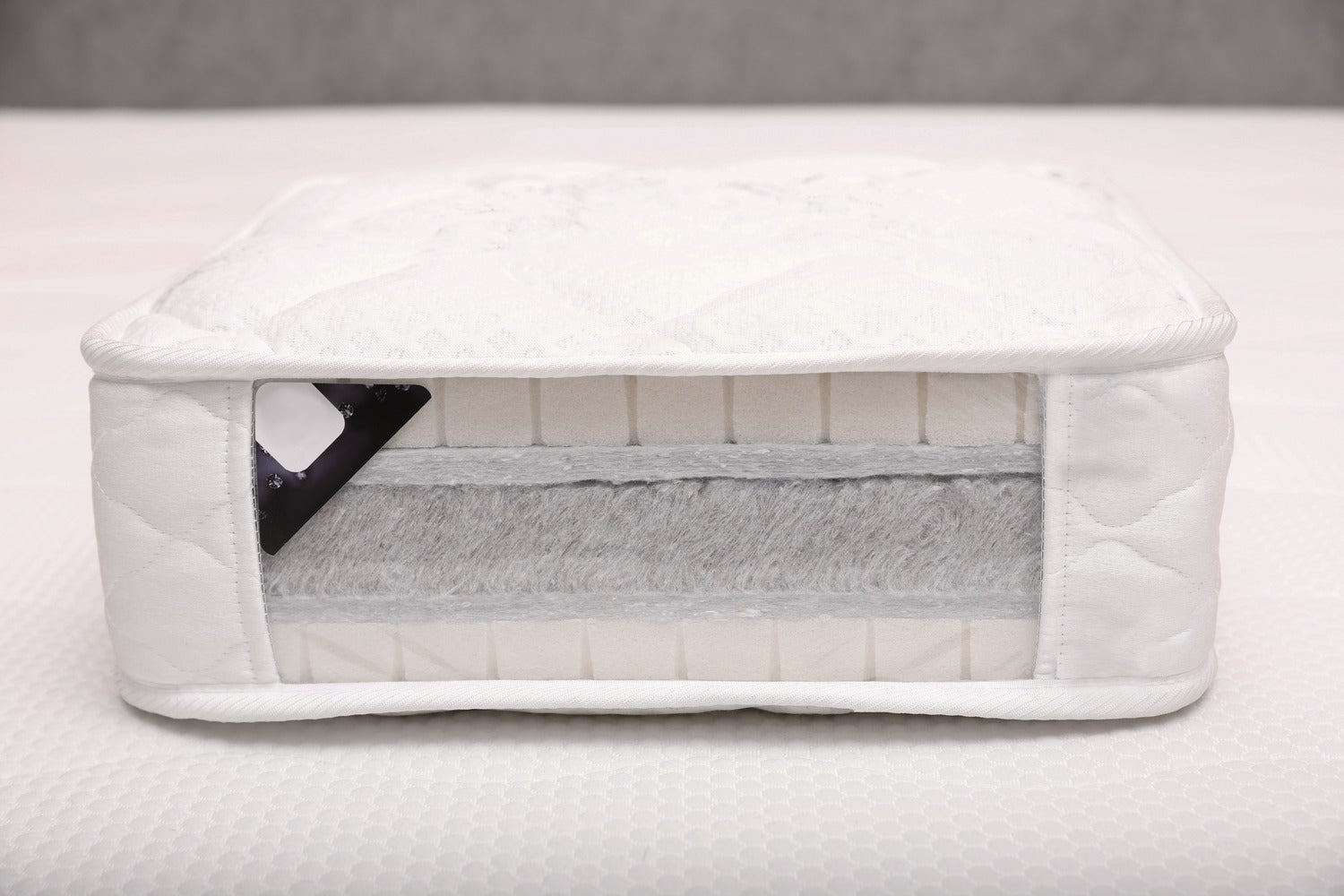
What you feel on the surface is the result of a carefully engineered stack of layers—from the breathable cover through to the supportive latex core—each influencing how the mattress contours to your body, regulates temperature, and stands up to years of daily use.
What is a Latex Mattress?
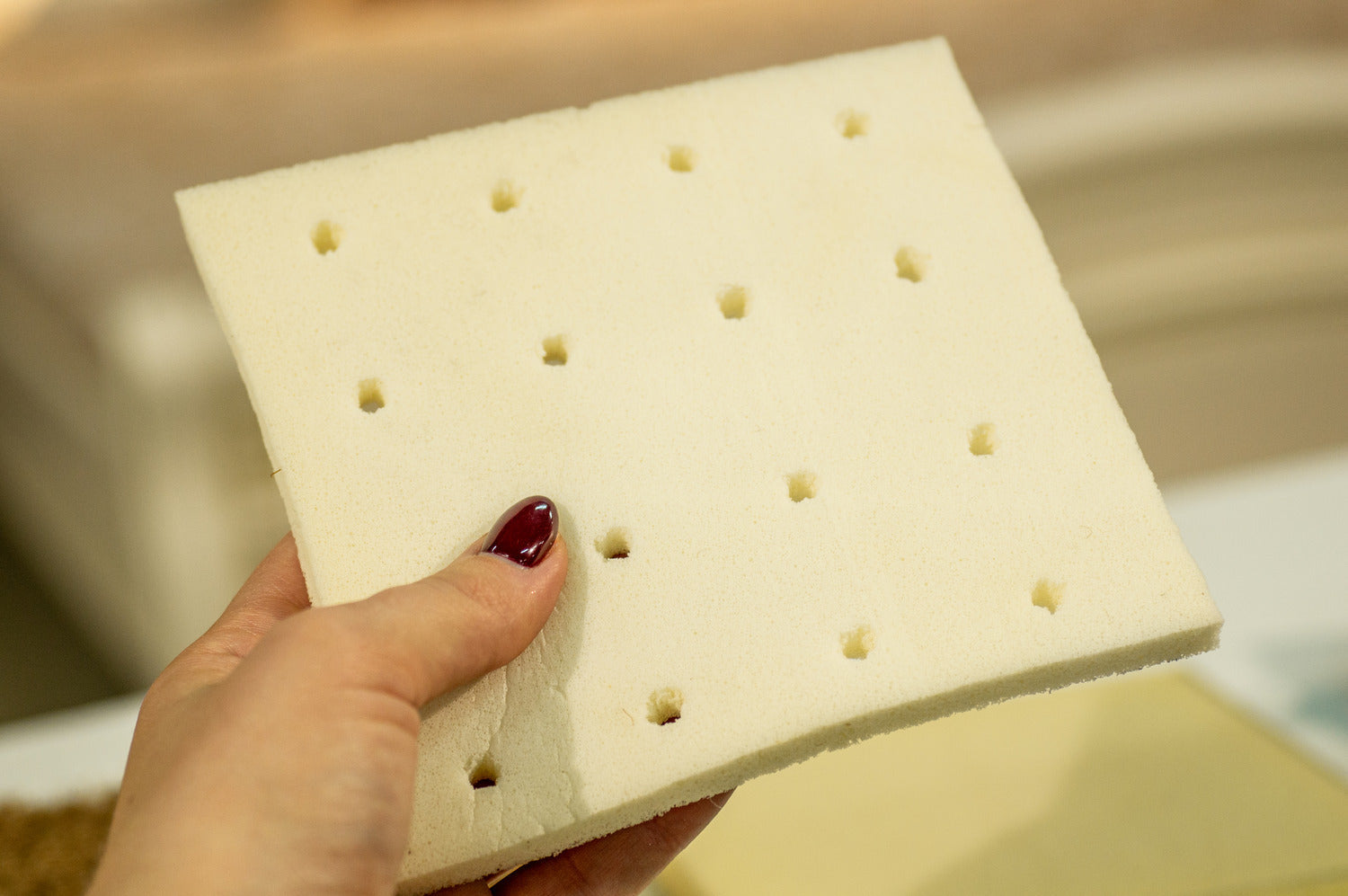
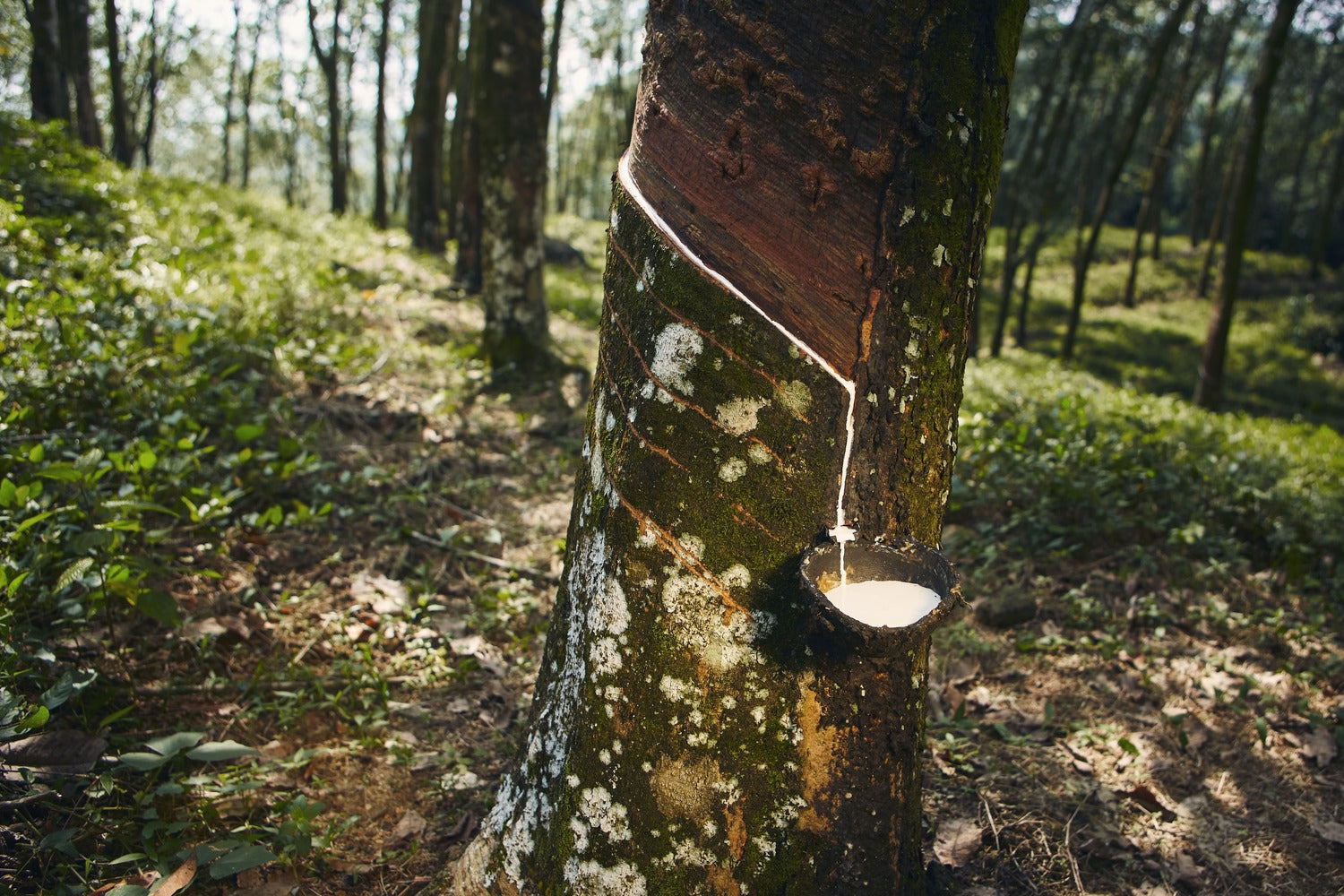
A latex mattress uses latex foam as its main cushioning and support material, rather than metal springs or traditional polyurethane foam. This latex can be natural (from rubber tree sap), synthetic, or a blend, and is usually arranged in one or more layers for comfort and support.
In Cyprus, latex mattresses are valued for their responsive, slightly bouncy feel, firm support, and resistance to long-term sagging and body impressions. They are also appreciated for their breathable and eco-conscious profile, especially when made with natural or organic latex.
What are latex mattress layers made of?
Latex mattress layers are typically made from sheets of Dunlop or Talalay latex foam, sometimes combined with other supportive or comfort materials. Manufacturers adjust the thickness, density, and firmness of each layer to create different comfort levels, from softer, more cushioning designs to firmer, more supportive options.
The latex itself can be natural, synthetic, or blended, with natural latex offering a more sustainable, durable, and often more premium option. In Cyprus, many buyers prefer natural or high-natural-content latex for its longevity and environmental benefits.
What Are the Main Layers in a Latex Mattress?
Most latex mattresses share a similar layered structure: a cover, one or more comfort layers, an optional transition layer, and a supportive latex core. The exact configuration can vary between single-layer latex designs and more complex multi-layer builds.
1. Cover (quilted top)
The cover is the outer fabric that wraps the entire mattress and often includes light quilting for extra softness and breathability. Common materials include cotton, viscose, or blended textiles, sometimes with added wool or fibres for moisture wicking and temperature regulation—useful in Cyprus’s warm nights.
A good cover should feel comfortable against the skin, promote airflow, and protect the latex layers from direct wear and moisture. Some covers are removable and washable, which helps with hygiene in humid and coastal environments.
2. Comfort layer (top latex)
The comfort layer is the top latex section that you feel most directly when lying on the mattress. It is usually softer or more pressure-relieving than the deeper layers, designed to cushion shoulders, hips, and joints.
This layer can be made from Talalay or softer Dunlop latex, depending on the feel the manufacturer wants to achieve. In Cyprus, a balanced comfort layer helps combine pressure relief with enough responsiveness to avoid feeling stuck in the bed.
3. Transition layer (optional middle)
The transition layer, when present, sits between the comfort layer and the support core. Its purpose is to smooth the shift from the softer top to the firmer base, adding a gradual change in feel rather than a sharp transition.
This layer may use medium-firm latex to provide extra cushioning while preventing bottoming out, especially for heavier sleepers or couples. Not all latex mattresses include a transition layer, but when they do, it often improves the overall balance of comfort and support.
4. Support core (latex base)
The support core is the thick, denser latex layer at the bottom of the mattress that provides structural stability and deep support. It is typically firmer than the upper layers and carries most of the sleeper’s weight night after night.
In many constructions, Dunlop latex is used for its density, durability, and ability to serve as a stable base. A strong support core is key to a long mattress lifespan and consistent spinal alignment, especially in Cyprus, where mattresses are used heavily over many years.
What is the support core layer, and what does it do?
The support core layer is the foundation of the latex mattress, responsible for keeping the spine aligned and preventing excessive sinking. By providing firm, even support, it helps distribute body weight and reduces pressure build-up in the lower back and hips.
This layer also plays a significant role in the mattress’s durability, helping it resist sagging and deformation over time. In Cyprus, a robust latex core can mean more than a decade of reliable performance when correctly cared for.
What’s inside the comfort layer — Dunlop or Talalay latex?
Comfort layers in latex mattresses are often made from either Dunlop or Talalay latex, each offering a distinct feel. Dunlop latex tends to be denser and firmer, and is sometimes used for slightly more supportive comfort layers.
Talalay latex undergoes a more complex production process, creating a lighter, more airy foam with a softer, plusher feel. Because of its buoyant, gentle contouring, Talalay is commonly chosen for top layers to deliver pressure relief and enhanced comfort, which can feel especially pleasant in Cyprus’s warm but dry indoor environments.
Is there a difference between single-layer and multi-layer latex designs?
Yes, there is a meaningful difference between single-layer and multi-layer latex mattresses. Single-layer designs use a single solid block of latex for both comfort and support, resulting in a simpler feel that relies entirely on the properties of that one piece.
Multi-layer designs stack different latex layers with varying firmness levels to fine-tune comfort, support, and responsiveness. This approach offers greater flexibility in achieving specific firmness profiles. It better accommodates different body types and sleep positions, which is helpful in households in Cyprus where more than one person uses the bed.
Which Type of Latex Layer Is Best?
The “best” latex layer type depends on your priorities: feel, budget, and sustainability. For firm support and long-term stability, denser Dunlop latex is often preferred in the support core and sometimes in firmer comfort or transition layers.
For a softer, more luxurious top feel with excellent pressure relief, Talalay latex is frequently used in comfort layers. In Cyprus, a popular combination is a Dunlop base for durability and a Talalay or softer Dunlop top for comfort, balancing resilience, climate suitability, and cost.
Where Can You Find Quality Latex Mattresses in Cyprus?
For more than 30 years, Panstromasew has been one of Cyprus’s leading specialists in mattresses and divans, dedicated to crafting premium sleep systems that combine comfort, innovation, and sustainability. Every mattress is made with eco-friendly, hypoallergenic materials and produced under the ISO 9001 quality management certification, ensuring consistent quality and durability.
Our collection includes latex mattresses designed specifically for Cyprus’s climate and comfort needs—available in various firmness levels and thicknesses to suit every sleeper.
You can explore the full range in our showrooms throughout Nicosia, Limassol, Larnaca, and other major cities, or conveniently browse and order through our online shop.
What’s the average price range in Cyprus?
Latex mattresses generally sit in a mid-to-premium price bracket in Cyprus due to the cost of quality latex and durable construction. Pricing varies by latex type (natural, synthetic, or blended), thickness, layer configuration, and brand positioning.
At Panstromasew, latex models are typically priced above many basic spring or foam mattresses but offer longer lifespans and stronger performance. This can make them cost-effective over time, especially when you factor in their durability and reduced need for replacement.
How to Choose the Right Latex Mattress for You?
Choosing the right latex mattress starts with identifying your preferred firmness level and central sleep position. Side sleepers often do well with slightly softer comfort layers, while back and stomach sleepers may prefer medium to firmer builds for better spinal alignment.
Next, consider whether natural, blended, or synthetic latex best suits your budget and sustainability preferences. In Cyprus’s warm climate, it’s important to focus on breathable covers, the right mattress thickness, and high-quality construction to maintain a cool, supportive, and durable sleep surface.