Cyprus's hot Mediterranean summers, coastal humidity, and the growing demand for premium, health-conscious sleep solutions have placed latex mattresses at the forefront of the local bedding market. With temperatures regularly exceeding 35°C during summer months and a lifestyle increasingly oriented toward natural, durable home products, consumers in Cyprus are turning to latex mattresses as a long-term investment in sleep quality.
This guide covers everything you need to know about latex mattresses, including what they are, their characteristics and benefits, and why they are particularly suitable for Cyprus. It also explains the different types and manufacturing processes, compares latex mattresses with other mattress types, and highlights the best options available at Panstromasew, including pricing and where to buy them in Cyprus.
What is the Definition of a Latex Mattress?
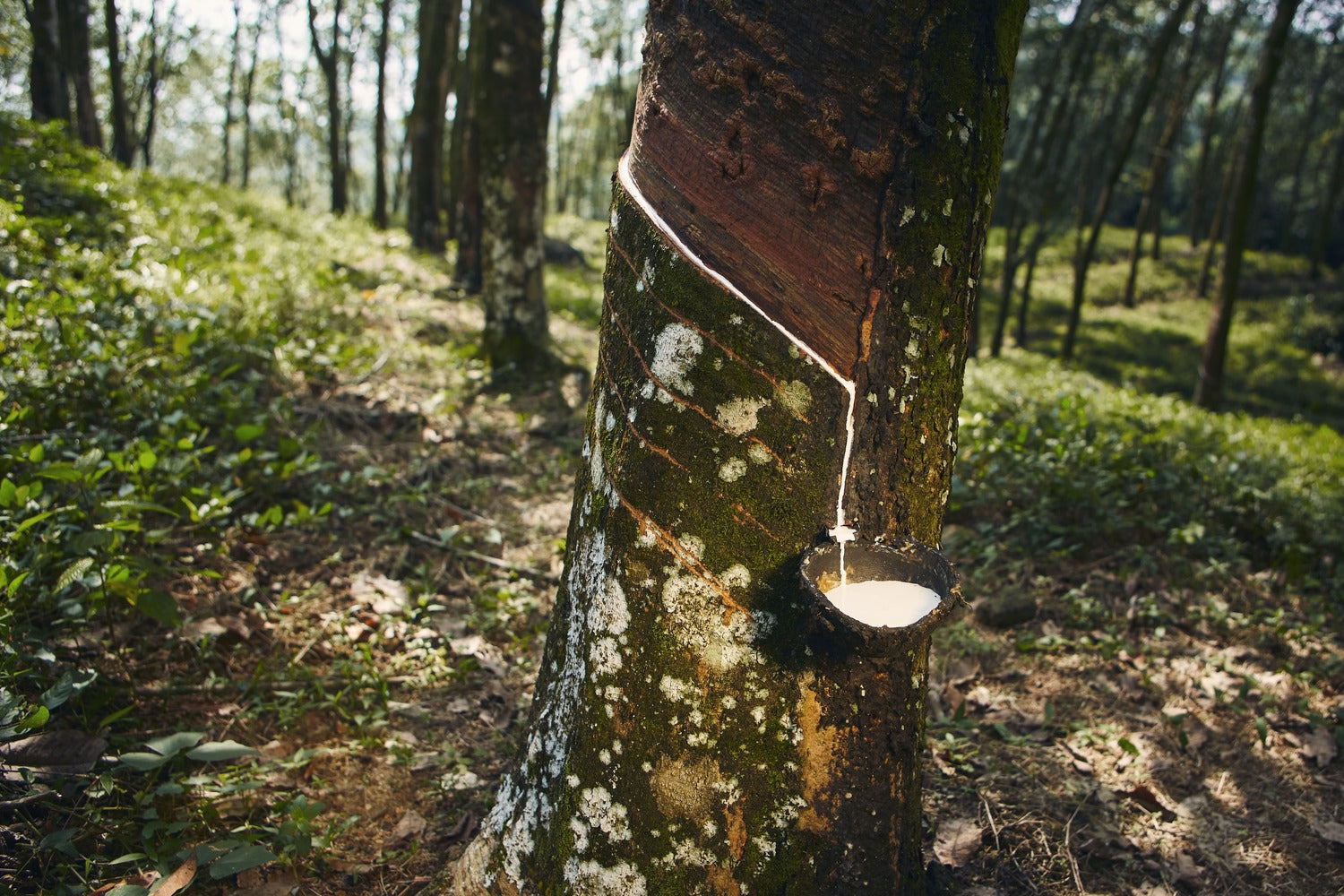
A latex mattress is a mattress whose primary support and comfort layers are made from latex foam, a material derived either from natural rubber tree sap (Hevea brasiliensis) or from synthetic compounds engineered to replicate its properties.
The natural variant begins as a milky-white liquid sap tapped directly from the rubber tree, which is then processed into a solid foam core through controlled manufacturing. By contrast, synthetic latex is made from petrochemical-based compounds, primarily Styrene-Butadiene Rubber (SBR), and is designed to replicate the feel and performance of natural rubber.
It is important to understand that "latex" refers to a material category, not a brand name, a firmness specification, or a comfort rating. Two mattresses can both be called "latex mattresses" and differ substantially in feel, density, and performance depending on the source material and the manufacturing process used. The defining characteristic is the use of latex foam, whether natural, synthetic, or blended, as the core structural component.
What are the Characteristics of a Latex Mattress?
Latex foam possesses a distinct set of physical properties that set it apart from other mattress materials. The most notable is its high elasticity and fast response. When pressure is applied, latex compresses immediately, and when that pressure is removed, it rebounds to its original shape almost instantly, a property known as fast-response or "buoyant" feel. This is in direct contrast to memory foam, which slowly conforms to body heat and retains the body's imprint for several seconds before recovering.
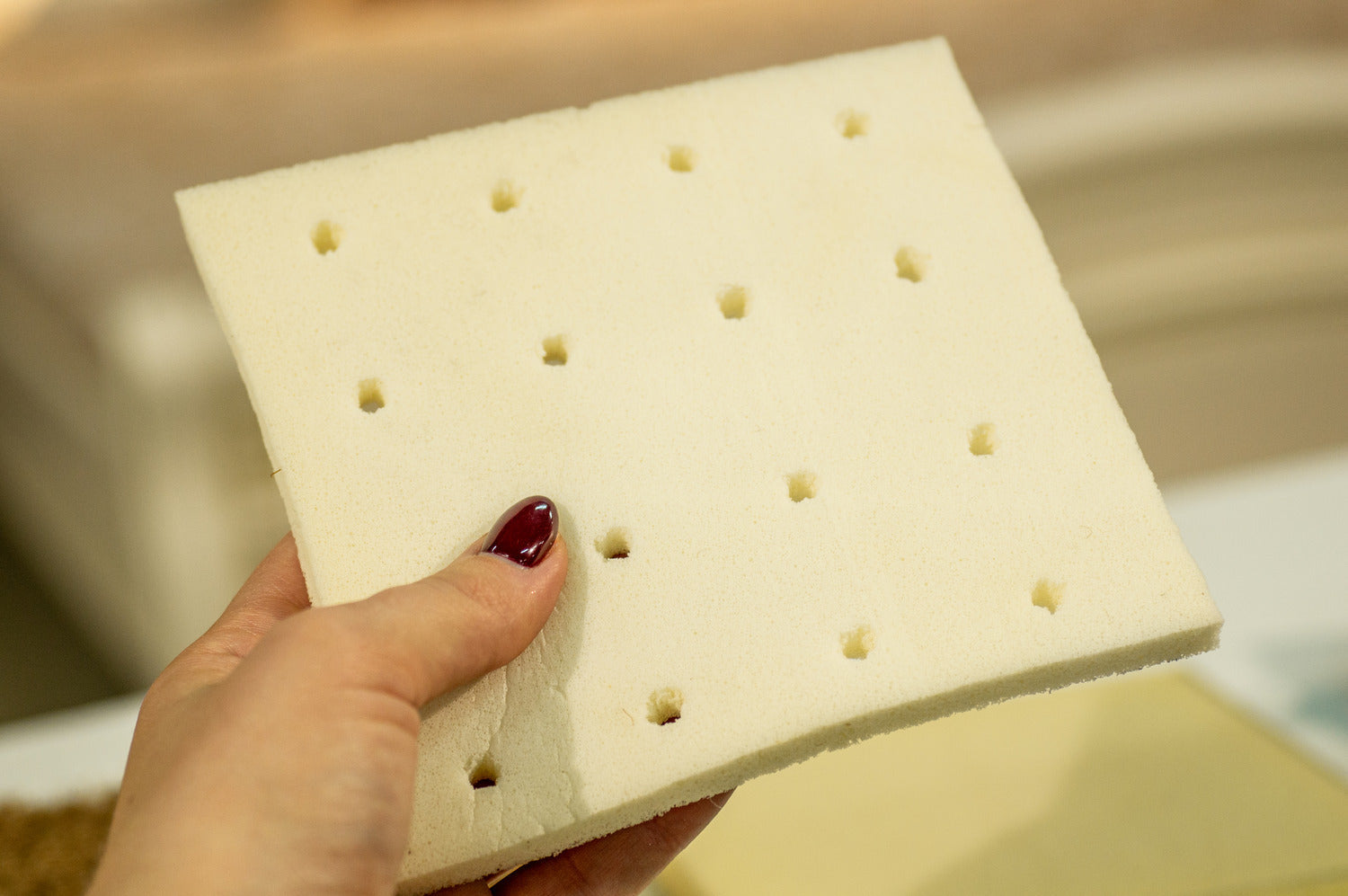
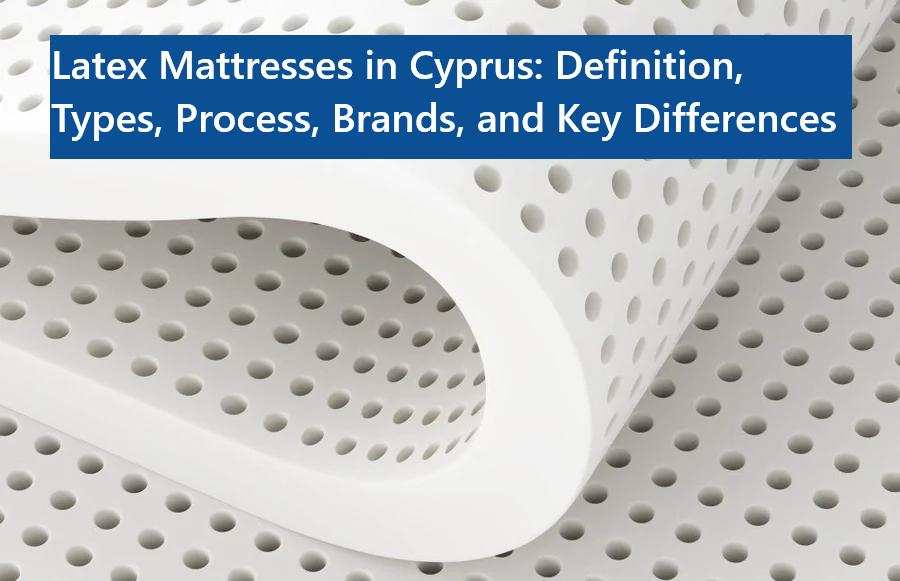
Latex also has a naturally open-cell structure, meaning air can circulate freely through the foam without restriction. This structure is responsible for its temperature regulation properties. In terms of density, latex foam is measured in kilograms per cubic metre (kg/m³); higher density foam tends to feel firmer and offers more structured support, while lower density foam provides a softer, more conforming surface. Durability is another inherent material property. The resilience of latex allows it to resist permanent deformation, sagging, and body impressions far longer than synthetic foams.
What are the Benefits of a Latex Mattress?
The physical properties of latex translate directly into a range of user-facing benefits. Its body-conforming elasticity provides excellent pressure relief by distributing body weight evenly, reducing strain on pressure points such as the hips and shoulders. This makes it a particularly suitable option for side sleepers, back sleepers, and those dealing with lower back pain or joint discomfort.
Because latex rebounds instantly to body movement, it facilitates easier position changes during the night without the "stuck" feeling sometimes associated with memory foam. For couples, the dense structure of latex absorbs motion efficiently, minimising partner disturbance. Natural latex is inherently hypoallergenic: its surface is resistant to dust mites, mould, mildew, and bacteria — making it one of the healthiest mattress options available for allergy sufferers and people with asthma or respiratory sensitivity. Latex mattresses also have the potential for a very long usable lifespan, providing consistent support over many years without significant loss of quality.
Why are Latex Mattresses Ideal for Cyprus?
Cyprus presents a specific set of environmental conditions that make the properties of latex mattresses particularly relevant. The island’s Mediterranean climate is characterised by long, intense summers and high coastal humidity. In many homes, where centralised air conditioning is limited, heat retention and moisture buildup in bedding become significant concerns. Latex mattresses, by virtue of their material composition, are well-positioned to address these challenges directly.
1. Cooling Benefits for Hot Summers
One of the most significant advantages of latex in the Cypriot climate is its resistance to heat retention. Unlike memory foam, which warms in response to body heat and can create a heat-trapping environment around the sleeper, latex does not rely on thermal activation. Its fast-response structure means it does not absorb and hold body heat the way viscoelastic foams do.
Independent mattress testing has measured latex foam's cooling performance significantly higher than memory foam across standardised assessments, making it a practical choice for the long, hot summer nights characteristic of Cyprus.
2. Breathability and Airflow
The open-cell internal structure of latex foam allows air to move freely through the mattress as the sleeper shifts positions. Talalay latex, in particular, is manufactured through a process that creates a highly uniform, interconnected cell structure, producing a foam that is notably lighter and more breathable than denser alternatives.
This continuous airflow prevents heat from building up at the sleep surface, contributing to a cooler and more comfortable sleeping environment throughout the night.
3. Moisture and Humidity Control
Cyprus's coastal geography means that even inland locations like Nicosia experience periods of elevated humidity, particularly during the transition seasons. Latex is naturally resistant to moisture accumulation, and its dense, non-porous surface does not provide the conditions that favour mould or mildew growth.
This resistance is inherent to the material and does not require chemical treatment, making latex a low-maintenance option that maintains hygienic sleep conditions even in humid environments.
4. Suitable for Mediterranean Bedrooms
Many Cypriot homes rely on portable air conditioning units or natural ventilation through open windows rather than centralised climate control systems. The mattress material itself plays a larger role in managing sleep temperature.
Latex's natural breathability reduces dependence on mechanical cooling and performs reliably in warm, naturally ventilated rooms. The material is also highly durable in warm environments. Unlike synthetic foams, latex is less likely to soften or deform over time when exposed to heat, helping preserve the mattress’s structural integrity for many years.
What are the Types of Latex Mattresses?
Latex mattresses are primarily classified by the source material from which the foam is made, a distinction that affects the mattress's performance characteristics, environmental impact, price point, and expected lifespan. There are two main types of latex, natural and synthetic, with blended latex serving as a middle ground between the two.
1. Natural Latex
Natural latex is derived from the sap of the rubber tree (Hevea brasiliensis), tapped sustainably from living trees that can continue to produce for up to 25–30 years. The harvested sap is processed and cured into foam, resulting in a material that is biodegradable, free from petroleum-based chemicals, and renewable. Natural latex offers superior elasticity, breathability, and durability compared to its synthetic counterpart.
It is the preferred choice for consumers prioritising eco-friendliness, long-term performance, and hypoallergenic sleep conditions. Certified natural latex mattresses may carry OEKO-TEX Standard 100 certification — confirming the absence of harmful chemicals — or GOLS (Global Organic Latex Standard) certification, which verifies at least 95% certified organic raw material content.
2. Synthetic Latex
Synthetic latex is produced from petrochemical compounds, most commonly Styrene Butadiene Rubber (SBR), engineered to replicate the feel and resilience of natural rubber. The primary advantage of synthetic latex is its lower production cost, which makes synthetic latex mattresses more accessible at lower price points.
Synthetic latex also produces a more uniform cell structure than some natural latex variants, which can result in more consistent firmness across the mattress surface. However, synthetic latex is generally less durable, less breathable, and may contain chemical additives that natural latex does not. Blended latex, a mixture of natural and synthetic rubber, offers a compromise, balancing some of the performance qualities of natural latex with the cost savings of synthetic production.
What are the Construction Methods of a Latex Mattress?
Beyond the material source, latex mattresses are further distinguished by the manufacturing process used to transform liquid latex into solid foam. The process determines the foam's density, cell structure, feel, and performance characteristics and it is an entirely separate consideration from whether the latex is natural or synthetic. The two principal methods are Dunlop and Talalay.
1. Dunlop Process
The Dunlop method is the older and simpler of the two manufacturing approaches, developed in 1929. Liquid latex is whipped into a froth, poured into a sealed mould, and then cured (vulcanised) by baking. During the baking process, heavier particles naturally settle toward the bottom of the mould, creating a foam that is denser at the base and slightly less uniform at the top.
The result is a firm, dense, and highly supportive foam that is commonly used as the core or base layer of a mattress, providing structural integrity and long-lasting support. Dunlop latex tends to feel firmer and heavier than Talalay, and it is generally considered more durable due to its higher density.
2. Talalay Process
The Talalay method involves a more complex manufacturing sequence that produces a lighter, more consistent foam. Liquid latex partially fills a mould, which is then vacuum-sealed to expand the latex evenly throughout the cavity. The foam is flash-frozen using carbon dioxide, then baked to cure. This additional freeze-before-bake step distributes the latex particles uniformly, resulting in a foam with a highly consistent open-cell structure.
Talalay latex is notably lighter, softer, and more breathable than Dunlop, making it particularly well-suited for comfort layers, luxury mattresses, and applications where pressure relief and airflow are priorities. Its premium manufacturing process is reflected in a higher price point compared to Dunlop latex.
What are the Best Latex Mattress Brands in Cyprus?
In Cyprus, we offer a careful selection of high-quality latex mattresses, combining internationally recognised brands with our own locally handcrafted designs. Our range includes trusted manufacturers such as Hollandia, alongside latex mattresses developed and produced by our team in Cyprus.
1. Hollandia – Bily Talalay Latex (Children's Mattress)
The Hollandia Bily mattress is a premium children's mattress built around a Talalay latex core combined with a supportive polymer base engineered with ventilation channels. It is designed specifically for growing children, with ergonomic support and safety at the centre of its construction. A specially designed shoulder comfort zone provides enhanced flexibility and pressure relief for children who sleep on their side, helping to prevent discomfort and numbness.
The VeroClean technology incorporated into the upholstery fabric reduces the ability of viruses and bacteria to survive on the surface, creating a cleaner and healthier sleeping environment for young sleepers. Talalay latex's inherent breathability and light, responsive feel make it well-suited for children, who are more sensitive to heat and require consistent postural support during developmental sleep.
2. Panstromasew – Dual Comfort Mattress
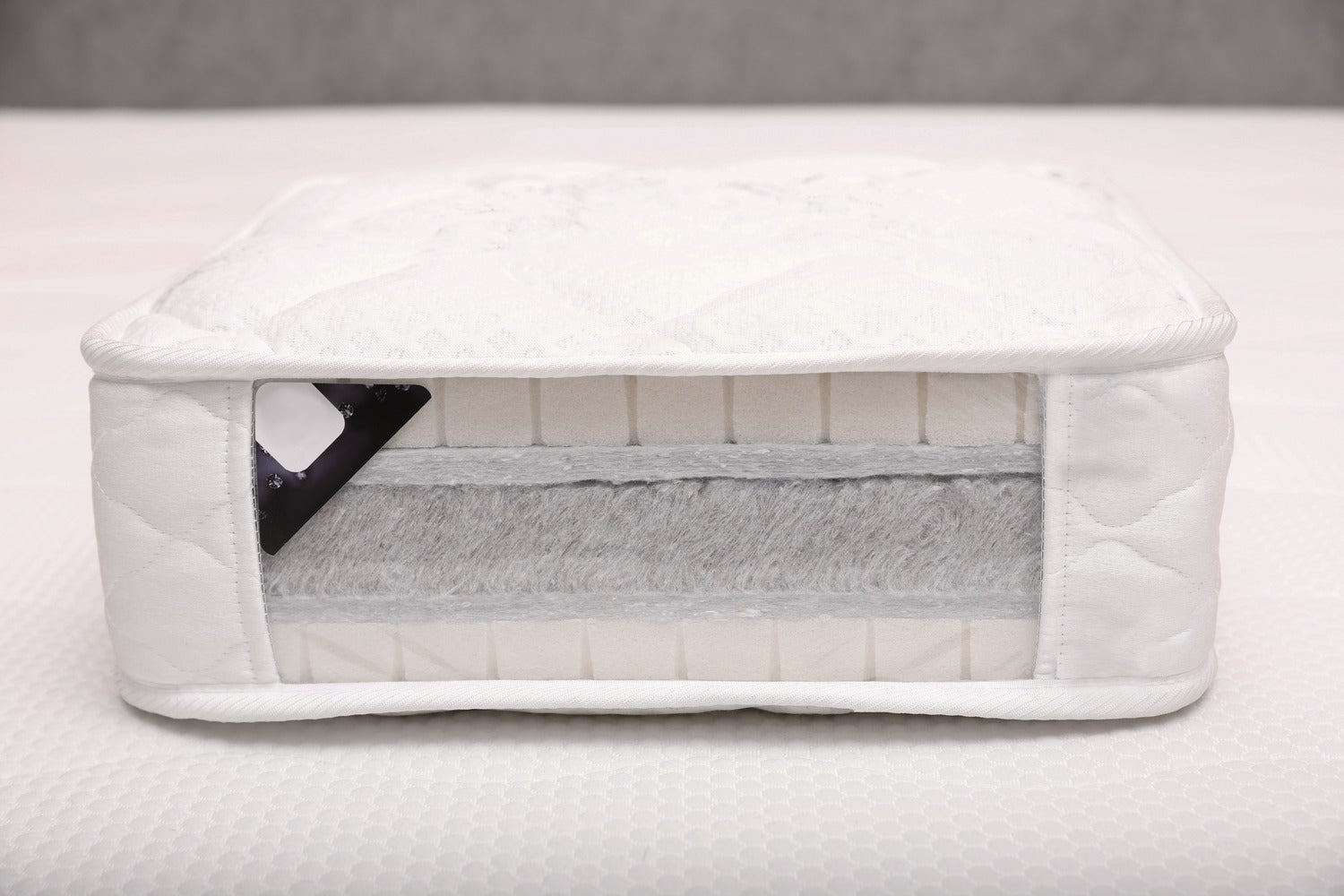
The Dual Comfort Mattress is a handmade luxury mattress built from premium Talalay latex combined with natural coconut fibres. It features a dual-sided construction with two distinct sleep surfaces. One side offers a softer, more embracing medium-soft feel, while the other provides a firmer medium-firm feel for enhanced support and stability.
This reversible design makes it a practical choice for couples with differing firmness preferences or for individual sleepers whose comfort needs change over time. A specially engineered shoulder comfort zone provides targeted pressure relief for side sleepers, while the VeroClean fabric treatment supports hygiene maintenance. Natural coconut fibres integrated into the construction promote additional ventilation and temperature regulation.
3. Panstromasew – Latex 7 Zone Mattress
The Latex 7 Zone Mattress is crafted from 100% natural latex. It also features an innovative 7-zone ergonomic support system designed to provide specialised support for different areas of the body, including the neck, shoulders, back, hips, and legs. Each zone is independently calibrated to help maintain healthy spinal alignment, distribute pressure evenly, and support comfortable movement during sleep.
The mattress also incorporates a dual-sided design. One side offers a softer feel for plush comfort, while the other provides medium support for a more structured sleeping surface that suits different sleeping positions and body types. Crafted from eco-friendly and recyclable materials, it combines ergonomic precision with sustainable construction.
4. Panstromasew – Natural Latex Mattress
The Natural Latex Mattress is Panstromasew's premium natural latex offering, built entirely from 100% natural latex with a 7-zone ergonomic support system providing targeted comfort for the neck, shoulders, back, hips, and legs. Its double-sided construction offers versatile comfort and extended longevity, allowing sleepers to alternate sides and adapt their sleep surface over time.
Natural latex's inherent breathability ensures continuous airflow and temperature regulation throughout the night, while its eco-friendly and recyclable material composition positions it as one of the most environmentally responsible options in the Panstromasew range. It is the ideal choice for consumers who prioritise natural materials, sustainability, and premium long-term performance.
Are Latex Mattresses Manufactured in Cyprus?
Yes, Cyprus has a domestic mattress manufacturing sector, with Panstromasew being one of the most established local manufacturers. Local manufacturing refers primarily to mattress assembly and finishing using imported latex components. The company has operated its own factory in Cyprus since the late 1980s, producing mattresses locally with the flexibility to customize sizes and specifications on demand. Its factory is located in Latsia, Nicosia, and it holds ISO 9001 certification for Quality Management Systems.
This local production capability means that certain latex mattress models available through Panstromasew are manufactured on the island, helping reduce lead times and enabling made-to-order customisation. However, it is important to note that raw latex foam cores are not produced in Cyprus. As in most of Europe, natural latex foam manufacturing requires specialised facilities that exist in only a few countries globally.
How Much Does a Latex Mattress Cost in Cyprus?
Latex mattresses in Cyprus span a wide price range depending on material type, construction method, brand, and mattress thickness. At Panstromasew, latex mattress prices begin at approximately €556 for the Latex 7 Zone Mattress (standard size, on sale) and rise to €815 for the Natural Latex Mattress and beyond €2,750 for the premium Dual Comfort Talalay latex model. These prices are for standard sizes (90×200 cm or 160×200 cm); pricing increases with size and specification.
Several factors drive price variation across the latex mattress category:
-
Material type: Natural latex commands a higher price than synthetic or blended latex due to raw material costs and certification requirements
-
Manufacturing process: Talalay latex is more expensive to produce than Dunlop and is typically found in mid-to-premium-range mattresses
-
Mattress thickness: Thicker profiles (28–35 cm) involve more material and typically more complex layering, increasing cost
-
Brand and certifications: OEKO-TEX or GOLS certified mattresses carry a premium reflecting third-party testing and quality assurance
-
Construction features: Zoned ergonomic systems, dual-sided designs, and specialist comfort technologies add to production complexity and price
As a general benchmark, entry-level latex options in the European market tend to start around €500–€700, mid-range natural latex mattresses fall between €800–€1,500, and premium Talalay latex models can exceed €2,000–€2,750.
Is Latex Good for a Mattress?
Yes, latex is generally an excellent mattress material for many sleepers, thanks to its durability, support, and breathability, though it is not ideal for everyone and tends to be more expensive than other foams.
Latex occupies a premium segment, positioned above standard polyfoam and synthetic foam options and often comparable in price to high-end memory foam or pocket spring systems. Its appeal spans a wide range of sleeper types, from back pain sufferers seeking consistent spinal support to environmentally conscious consumers prioritising natural and sustainable materials.
Is Latex Considered Healthy to Sleep On?
Natural latex is one of the most health-supportive mattress materials available. Its inherent resistance to dust mites, mould, mildew, and bacteria makes it a natural hypoallergenic surface requiring no chemical treatments to maintain these properties.
For consumers who want additional assurance, mattresses carrying the OEKO-TEX Standard 100 certification have been tested to confirm the absence of harmful substances, including heavy metals, formaldehyde, and pesticides.
GOLS (Global Organic Latex Standard) certification goes further, verifying that the latex is produced from certified organic rubber with strict limits on chemical content throughout the supply chain. Together, these certifications offer a robust framework for consumers seeking a genuinely healthy, non-toxic sleep surface.
Are Latex Mattresses Worth It?
The value proposition of a latex mattress is most clearly understood over the lifespan of the product. The initial investment is higher than for foam or spring alternatives. However, the exceptional durability of natural latex, which can last between 15 and 25 years in high-quality products, makes its long-term cost of ownership highly competitive compared to lower-priced mattresses that require replacement every 5–8 years.
A natural latex mattress that lasts 20 years at a purchase price of €1,500 represents a comparable or lower annual cost than a €600 foam mattress that requires replacement after 8 years. For consumers in Cyprus who are making a long-term investment in sleep quality and home comfort, the durability, health properties, and performance consistency of latex justify the premium pricing.
Are Latex Mattresses Firm or Soft?
Latex mattresses are available across the full firmness spectrum from soft and plush to medium, firm, and extra firm making firmness a design variable rather than a fixed material property. The firmness of a specific latex mattress is determined by several factors, including:
-
The density of the latex foam (measured in kg/m³)
-
The ILD (Indentation Load Deflection) rating of the individual layers
-
The manufacturing process used
-
Dunlop latex tends to produce a firmer feel
-
Talalay latex tends to produce a softer and more responsive feel
-
The thickness and layering configuration of the mattress
A high-density Dunlop core with minimal comfort layering will feel substantially firmer than a low-density Talalay comfort layer over a medium Dunlop base. This flexibility means latex mattresses can accommodate back sleepers who need firm support, side sleepers who require softer pressure relief, and couples who benefit from dual-sided designs offering different firmness levels on each surface.
What is the Lifespan of a Latex Mattress?
Latex mattresses have the longest lifespan of any mattress category currently available on the market. A quality natural latex mattress can last between 15 and 25 years while maintaining its supportive properties and structural integrity. More specifically, softer natural latex layers typically last 8–12 years before showing signs of fatigue, while firmer Dunlop latex cores can maintain their properties for 15–35 years depending on density. This durability is explained by the material's inherent resilience: natural latex resists permanent deformation (sagging), retains its elasticity under repeated compression, and does not break down under sustained body weight the way polyfoam and synthetic materials do.
For comparison, traditional innerspring mattresses typically last 5–7 years before developing sag and support loss, memory foam mattresses average 8–10 years, and synthetic foam mattresses generally have lifespans of 5–8 years. This lifespan advantage, combined with consistent performance throughout the mattress's life, is one of the central reasons latex commands a premium price and constitutes a sound long-term sleep investment.
What are the Pros and Cons of Latex Mattresses?
Latex mattresses offer an excellent balance of comfort, longevity, and sustainability, but they also come with a few practical drawbacks that are worth considering.
Pros of Latex Mattresses
-
Exceptional durability, with high-quality natural latex often lasting 15–25 years or more when properly cared for.
-
Superior cooling and temperature regulation compared to most memory foam, thanks to latex’s naturally breathable structure and ventilation channels.
-
Consistent, adaptive support that contours to the body while maintaining excellent pressure relief and healthy spinal alignment.
-
Naturally hypoallergenic, as latex is resistant to dust mites, mould, and bacteria without needing additional chemical treatments.
-
Eco-friendly and sustainable when made from natural rubber tree sap, especially in mattresses that use responsibly sourced or certified organic latex.
-
Fast-response, buoyant bounce that makes it easy to move, change positions, and get in and out of bed without feeling “stuck.”
-
Virtually silent in use, with no metal springs to squeak or creak over time.
-
Low motion transfer for an all-foam design, making it a good option for couples who do not want to feel each other’s movements.
-
Widely recognised safety and quality certifications (such as OEKO-TEX or GOLS for organic latex) available on many premium models.
Cons of Latex Mattresses
-
Higher upfront cost than most synthetic foam or standard spring mattresses, especially for natural or organic latex constructions.
-
Heavier than many other mattress types, which can make lifting, rotating, or moving the mattress more challenging.
-
More limited choice of premium latex models in smaller markets like Cyprus compared with major mattress markets.
-
Latex allergy, while relatively rare, is an important consideration for individuals with known sensitivities to latex products.
-
Some initial odour or off-gassing may be noticeable, particularly in mattresses that use synthetic or blended latex, although this usually dissipates with adequate airing.
Which is Better, Foam or Latex Mattress?
In Cyprus's warm Mediterranean climate and local consumer needs, latex holds a clear advantage over memory foam in several key categories.
|
Factor |
Latex Mattress |
Memory Foam Mattress |
|
Cooling |
Excellent — open-cell structure resists heat retention |
Poor to moderate — absorbs body heat, can sleep hot |
|
Responsiveness |
Fast-response — springs back immediately on movement |
Slow-response — retains body impression for several seconds |
|
Support |
Consistent, adaptive support across all body types |
Very good, especially for pressure point relief |
|
Motion Isolation |
Good — dense structure absorbs movement |
Excellent — very high motion isolation |
|
Breathability |
High — open-cell structure allows airflow |
Lower — closed-cell structure restricts airflow |
|
Durability |
15–25 years (natural latex) |
8–10 years average |
|
Environmental impact |
Low (natural latex is biodegradable) |
Higher (petroleum-based) |
|
Cost |
Higher initial investment |
Generally lower initial cost |
|
Cyprus relevance |
Ideal for hot summers and humid coastal conditions |
Less suited to warm climates due to heat retention |
For Cypriot consumers prioritising cooling, longevity, and natural materials, latex is the stronger choice. Memory foam remains relevant for sleepers who prefer deep body contouring and maximum motion isolation, or for those with a tighter budget.
Which is Better, Latex or Spring Mattress?
When comparing latex and innerspring mattresses for Cypriot consumers, the key differences involve durability, hygiene performance, airflow, and motion transfer.
|
Factor |
Latex Mattress |
Spring (Pocket) Mattress |
|
Support |
Uniform, adaptive, consistent across the whole surface |
Zoned, targeted — varies with coil count and quality |
|
Airflow |
High — open-cell foam allows continuous ventilation |
Moderate — spring cavity allows airflow, but padding layers can trap heat |
|
Motion isolation |
Excellent — dense foam absorbs partner movement |
Moderate — springs can transfer movement |
|
Durability |
15–25 years (natural latex) |
7–10 years — springs and padding wear out sooner |
|
Noise |
Silent — no moving parts |
Can develop squeaks over time as springs age |
|
Allergy suitability |
Excellent — naturally hypoallergenic |
Lower — can harbour dust mites in padding layers |
|
Weight |
Heavier — can be harder to move |
Lighter — easier to reposition |
|
Initial cost |
Higher |
Lower to moderate |
|
Cyprus relevance |
Superior hygiene and durability in humid conditions |
Adequate but less suited to allergy-sensitive humid environments |
Hybrid mattresses combine a pocket spring core with a latex or foam comfort layer. This creates a middle ground that blends the breathability of springs with the pressure relief and comfort of latex. For consumers in Cyprus who want the feel of springs with improved comfort and hypoallergenic properties, a latex-topped hybrid is a worthwhile consideration.
Where to Buy a Latex Mattress in Cyprus?
At Panstromasew, we specialise in high-quality latex mattresses designed for the needs of customers in Cyprus. Established in the late 1980s and ISO 9001 certified, we manufacture and supply a wide range of mattresses through our showrooms in Nicosia (Latsia and Makedonitissa) and Limassol, as well as through our online store with delivery across Cyprus.
Our collection includes latex mattresses in multiple comfort levels and specifications, ranging from the Latex 7 Zone model to premium options such as the Dual Comfort Talalay mattress. We also offer children’s latex mattresses through the Hollandia range. In addition, we provide custom mattress sizes, making it easier to accommodate non-standard bed frames commonly found in Cypriot homes.
By visiting one of our showrooms, customers can test different firmness levels and mattress types in person. Our team helps guide the selection process by explaining the differences between natural and synthetic latex, Dunlop and Talalay construction, and the firmness levels best suited to different sleep positions and body types. Whether shopping online or visiting us in-store, we offer a complete range of latex mattress solutions for customers across Cyprus.