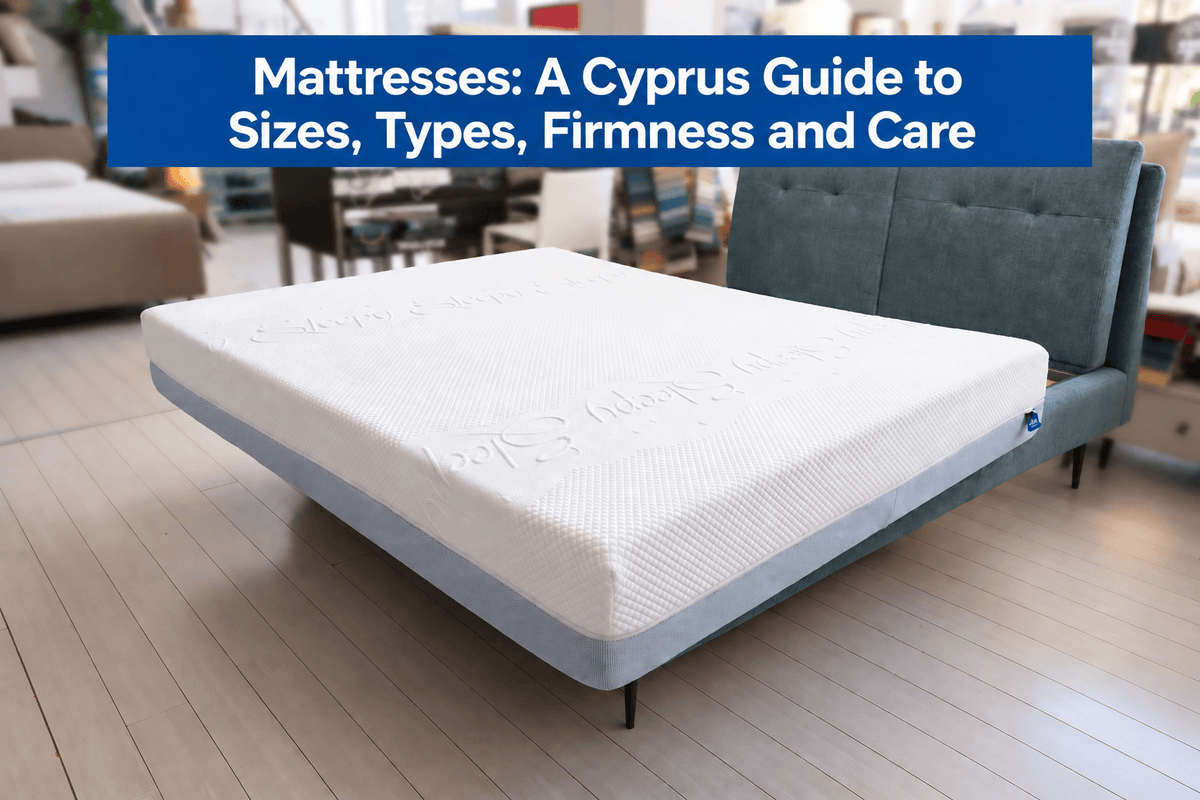
Mattresses in Cyprus: Definition, Types, Materials, Brands, and Physical Stores

A good night's sleep starts with what you're sleeping on. For most people in Cyprus, choosing a mattress depends on a quick in-store test and price comparison, with little understanding of what separates a mattress that supports your body from one that takes up space.

This gap matters. The average adult spends a third of life sleeping. Over a decade, the mattress you choose will protect spinal health, regulate temperature through Cyprus's long summers, and support restorative sleep.

This guide explains what a mattress is, the types and materials available in Cyprus, how to read technical specifications like ILD and density, which sleep position requires specific construction, and how local and international brands compare.

It includes a mattress size chart for Cyprus, guidance on accessories, cleaning, lifespan, and where to buy in-store and online. Whether replacing an old mattress, furnishing a new home, or understanding what you're paying for, this is a reference.

What is a Mattress?

A mattress is a large, rectangular pad designed to support the body during sleep. It is typically placed on top of a bed frame or divan base and serves as the primary sleep surface. Mattresses are built from various layers of materials — including foam, springs, latex, and natural fibres — each engineered to provide a specific balance of comfort, support, and pressure relief.

The word "mattress" traces its origins to the Arabic word matrah, meaning "something thrown down" or "place where something is thrown." Today, mattresses are sophisticated sleep systems engineered using biomechanical principles to align the spine, distribute body weight evenly, and reduce pressure on key joints.

In practical terms, a mattress determines how well your body recovers during the eight hours you spend in bed each night. It is not simply a piece of furniture — it is a health investment.

Why is a mattress important for quality sleep?

Sleep is not a passive state. During deep sleep phases, the body repairs tissue, consolidates memory, regulates hormones, and restores immune function. The surface you sleep on directly influences how deeply and consistently you cycle through these restorative phases.

A mattress that does not support the natural curvature of your spine forces your muscles to compensate throughout the night, causing tension, soreness, and fragmented sleep. Conversely, a well-designed mattress maintains spinal neutrality, eliminates pressure points at the hips and shoulders, and allows your muscles to fully relax.

For Cypriot consumers, the climate adds an additional consideration. Cyprus experiences long, hot summers, which means heat dissipation and breathability are particularly important mattress properties. A mattress that retains heat can disrupt your sleep cycle even when other comfort factors are met.

Why should you invest in a good quality mattress?

Investing in a good quality mattress is one of the most cost-effective health decisions you can make. The average adult spends approximately one-third of their life sleeping — roughly 25 years over a lifetime. What you sleep on during that time directly affects your physical health, cognitive performance, mood, and long-term musculoskeletal condition.

A good quality mattress offers consistent support across its lifespan, typically between seven and twelve years depending on construction and materials. This means the cost per night of a well-made mattress is often comparable to, or lower than, a cheap mattress that deteriorates rapidly and requires replacement within a few years.

Beyond economics, poor sleep is linked to increased risk of cardiovascular disease, obesity, diabetes, and reduced immune response. A good quality mattress that promotes uninterrupted, restorative sleep is therefore not a luxury — it is a long-term investment in your health and productivity. In Cyprus, where the working population increasingly deals with sedentary office-based lifestyles, spinal support during sleep is especially critical for preventing and managing lower back pain.

What are the types of mattresses available in Cyprus?

The Cypriot market has expanded considerably over the past decade, offering consumers a wide range of types of mattress constructions suited to different body types, sleep positions, and budgets. Below are the primary types available.

1. Memory Foam Mattresses

Memory foam mattress, technically known as viscoelastic polyurethane foam, is one of the most popular mattress materials in Cyprus. Originally developed by NASA in the 1960s to improve seat cushioning for aircraft, memory foam entered the consumer sleep market in the 1990s and has since dominated the global bedding industry.

The defining characteristic of memory foam is its response to heat and pressure. When you lie down, the foam softens in response to your body temperature and moulds precisely to your shape, distributing weight evenly across the surface. When you move or get up, it slowly returns to its original form — hence the term "memory."

Key properties:

  • Conforms closely to the body, eliminating pressure points at the hips, shoulders, and knees

  • Excellent motion isolation ideal for couples where one partner moves frequently during the night

  • Available in multiple variants: traditional, gel-infused, and open-cell memory foam

  • Gel-infused memory foam incorporates phase-change gel beads that absorb excess body heat, making it a particularly suitable choice for Cyprus's warm climate. 

  • Open-cell memory foam uses a more porous structure to enhance airflow and reduce the heat retention traditionally associated with memory foam.

The main limitation of memory foam is its tendency to retain heat in conventional formulations, though modern variants address this effectively. It also has a slower response than latex, which some sleepers find uncomfortable when changing position at night.

Memory foam mattress

2. Spring Mattresses

Spring mattresses, also referred to as innerspring mattresses, are the most traditional mattress construction and remain widely used across Cyprus. They use a system of metal coils as their primary support structure, with comfort layers of foam or fibre on top.

Three main coil types:

  • Bonnell coils: The classic hourglass-shaped steel coil. Interconnected for a bouncy, responsive feel. Good airflow. Budget-friendly but tends to transfer motion between sleeping partners.

  • Offset coils: A refined version of the Bonnell, with a hinged lower edge that allows the coil to flex more independently. Provides better contouring and motion isolation.

  • Pocket springs (individually wrapped coils): Each spring is individually encased in a fabric pocket, allowing it to compress independently. This is the premium innerspring construction. Significantly reduces motion transfer and can include zoned support — firmer coils in the lumbar area and softer coils under the shoulders.

Spring mattresses offer excellent breathability due to the air pockets between coils, making them naturally cooler than foam options. They are a sensible choice for hot sleepers and are typically easier to move and rotate.

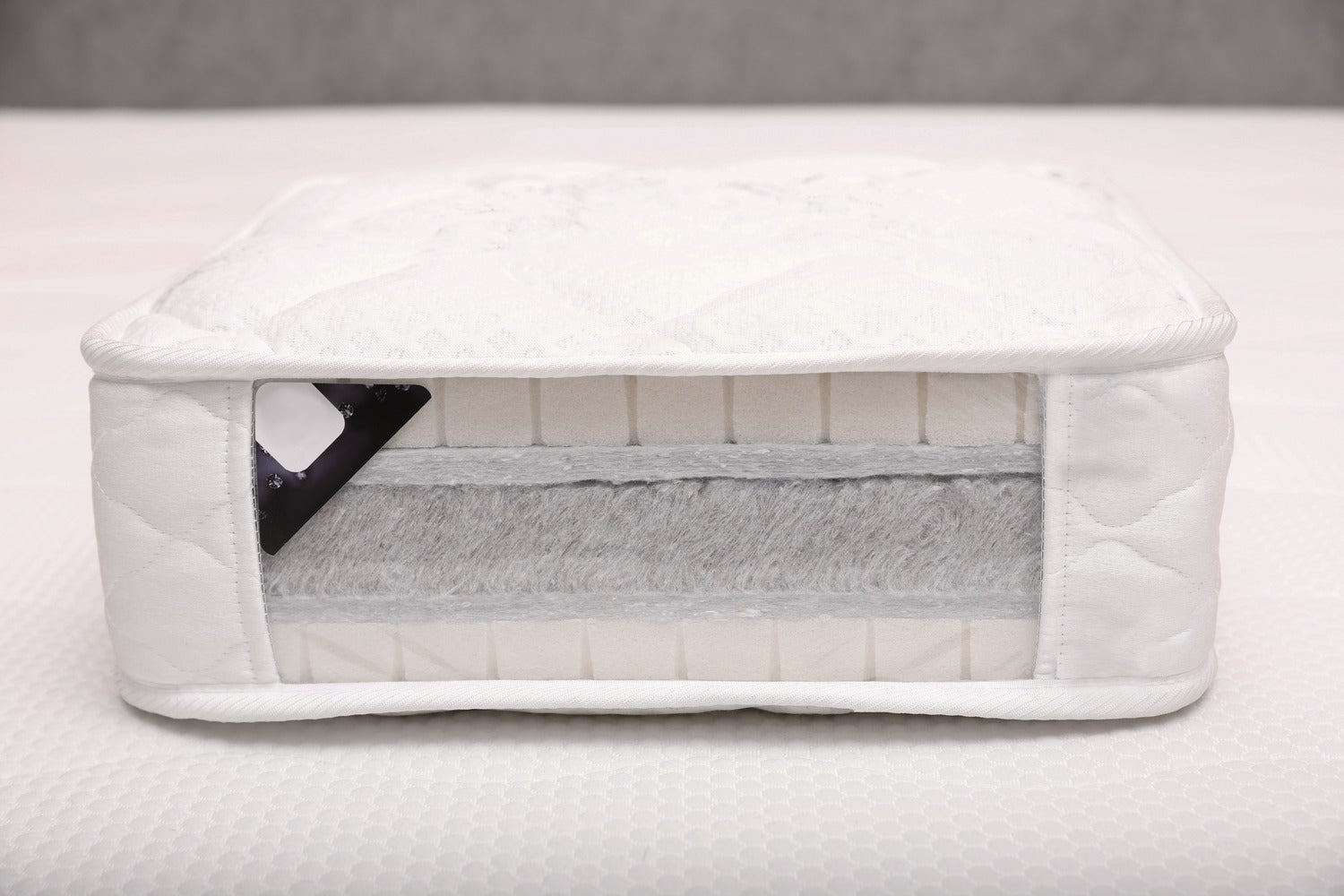
Spring Mattress

3. Hybrid Mattresses

Hybrid mattresses combine a pocketed spring support system with one or more substantial foam or latex comfort layers. The goal is to capture the benefits of both constructions: the breathability and responsive support of springs, combined with the pressure relief and contouring of foam or latex.

A quality hybrid typically features:

  • A base layer of high-density foam for stability

  • A middle layer of individually pocketed springs (usually 1,000+ spring count for a king size)

  • One or more upper comfort layers of memory foam, latex, or gel-infused foam

Hybrid mattresses are increasingly popular in Cyprus because they perform well across multiple sleeping positions. They are also better suited to heavier body types than foam-only mattresses.

The trade-off is cost and weight — hybrids are typically heavier and command a higher price. However, their balanced performance across comfort, support, temperature regulation, and durability makes them a strong long-term value.

4. Latex Mattresses

Latex mattresses use natural or synthetic rubber as their primary material. Natural latex is derived from the sap of the rubber tree (Hevea brasiliensis) and is processed using one of two methods:

  • Dunlop process: Latex is poured into a mould and baked. Denser and heavier, with a firmer feel.

  • Talalay process: Latex is poured, vacuum-sealed, flash-frozen, then baked. The result is a more consistent, uniform cell structure — lighter, more breathable, and slightly softer.

Latex offers a buoyant, responsive feel distinctly different from memory foam. Rather than sinking into the material, you feel "lifted" by it, which makes changing sleep positions easier. Latex is also naturally resistant to dust mites, mould, and bacterial growth — an important property for Cyprus's humid coastal climates.

Natural latex mattresses are among the most durable available, with a lifespan of 10–15 years for quality constructions. They are also hypoallergenic in their natural form, though individuals with latex allergies must opt for synthetic alternatives.

5. Orthopedic Mattresses

The term "orthopedic mattress" refers to a mattress specifically engineered to support the musculoskeletal system — particularly the spine, hips, and joints. These mattresses are designed to maintain the natural lumbar curve during sleep, distribute body weight without pressure concentration, and reduce the aggravation of existing back or joint conditions.

Orthopedic mattresses are available in several constructions:

  • Orthopedic innerspring: High-gauge pocket springs with reinforced lumbar zones provide firm, targeted support

  • Orthopedic memory foam: Thick viscoelastic layers contour to the spine's natural curve while eliminating pressure points

  • Orthopedic latex: Responsive and firm, offering both support and breathability

The quality and clinical value depends on the specific construction and materials, not simply the label. Consumers should evaluate firmness ratings, density specifications, and the presence of zoned support systems when choosing an orthopedic mattress.

6. Technogel Mattress

Technogel is a distinct mattress category defined by its proprietary gel material, developed by the Italian company Technogel Sleeping. Unlike gel-infused foam, Technogel consists of a pure, moulded gel layer that deforms in three dimensions simultaneously — conforming to the body in width, length, and depth.

Key advantages:

  • Precise pressure distribution across all body contact points

  • Superior temperature regulation — the gel absorbs and dissipates body heat significantly more efficiently than foam

  • A distinct "floating" sensation — simultaneously soft and supportive

  • Particularly recommended for hot sleepers and individuals with pressure-point sensitivity

What materials are used to make mattresses in Cyprus?

Modern mattresses are constructed from a range of materials, each serving a specific functional role within the mattress structure.

1. Foam Materials

Foam is the most prevalent material category in the mattress industry. Several distinct foam types are used:

  • Polyurethane foam (polyfoam): The foundational foam used in most mattresses as a base or transition layer. Available in varying densities (measured in kg/m³), with higher density indicating greater durability and support.

  • Memory foam (viscoelastic foam): Heat-sensitive and pressure-sensitive foam that contours to the body. Used in comfort layers.

  • Gel-infused foam: Memory foam or polyfoam with phase-change gel particles integrated to improve heat dissipation.

  • High-resilience (HR) foam: A premium polyfoam with a more responsive, springy feel. Used in comfort layers and as a transition between springs and softer materials. 

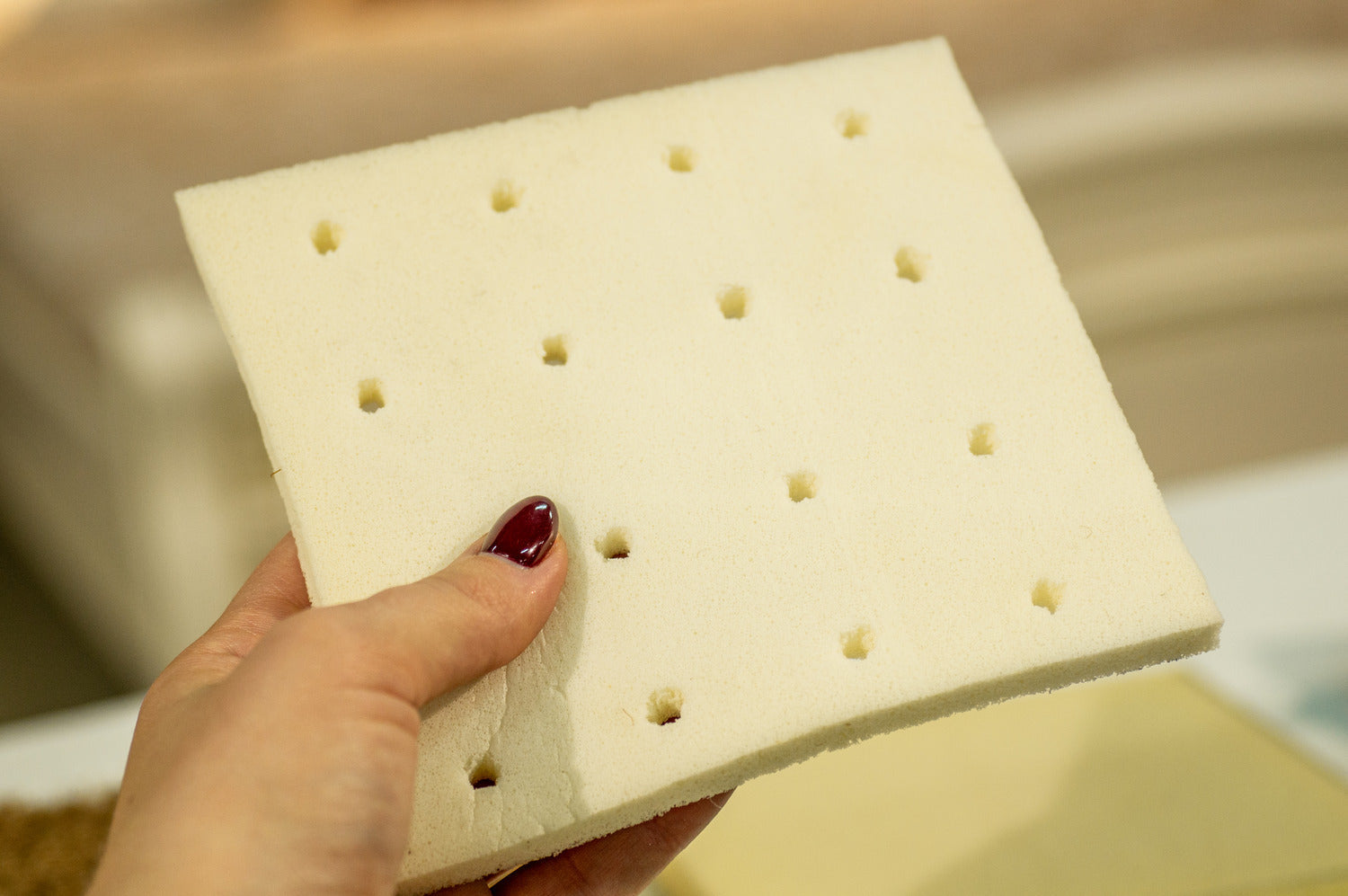
Different foam mattress materials

2. Latex Materials

Latex used in mattresses comes in three forms:

  • Natural latex: Derived from rubber tree sap. Processed as Dunlop (denser, firmer) or Talalay (lighter, more uniform). The most durable and eco-friendly option.

  • Synthetic latex: Petroleum-derived styrene-butadiene rubber (SBR). More affordable than natural latex but less durable and less breathable.

  • Blended latex: A combination of natural and synthetic latex. Balances cost and performance.

3. Springs Materials

The metal used in mattress springs is typically tempered steel. Spring specifications that affect performance include:

  • Gauge: The thickness of the wire. Lower gauge = thicker wire = firmer feel (e.g., 12.5 gauge is firmer than 15 gauge)

  • Spring count: Higher counts in pocket spring mattresses generally indicate finer support mapping, though spring count alone is not a definitive quality indicator

  • Coil type: Bonnell, offset, continuous wire, or pocket spring, each with distinct support profiles

spring materials in mattress

4. Natural Fibre Materials

Natural fibres are used in mattress comfort and covering layers, valued for their breathability and moisture-wicking properties:

  • Cotton: Breathable, hypoallergenic, and moisture-absorbing. Commonly used in quilted covers and comfort layers.

  • Wool: A natural temperature regulator that keeps you warm in winter and cool in summer. Also naturally flame-resistant.

  • Silk: Used in premium mattress covers for a soft, smooth sleep surface.

  • Cashmere and mohair: Found in luxury mattress comfort layers, providing exceptional softness and temperature regulation.

5. Covering Materials

The mattress cover (also called the ticking) is the outermost fabric layer. Covering materials include:

  • Knitted fabric: The most common modern covering, offering stretch and conformity to the mattress surface.

  • Belgian damask: A woven jacquard fabric used in premium mattresses for durability and a structured appearance.

  • Organic cotton: Used in eco-certified mattresses, free from synthetic pesticides and chemical treatments.

  • Tencel/Lyocell: A plant-derived fibre known for exceptional moisture management and softness. Particularly beneficial for hot sleepers in Cyprus's climate.

  • Fire-resistant barriers: Non-woven fabrics or treated fibres placed beneath the cover to meet fire safety regulations.

What are the types of mattress specifications in Cyprus?

When comparing mattresses in Cyprus, understanding the technical specifications allows you to make an informed decision based on measurable criteria rather than marketing language.

1. Indentation Load Deflection (ILD)

Indentation Load Deflection (ILD) — sometimes written as Indentation Force Deflection (IFD) — is the standard measurement of foam firmness. It quantifies the force required to compress a specific foam sample by 25% of its thickness, measured in pounds (US system) or Newtons (European standard).

ILD Rating

Feel

Best Suited For

8–14

Extra Soft

Side sleepers, lightweight individuals

15–19

Soft

Side sleepers, shoulder/hip pressure relief

20–25

Medium-Soft

Side and back sleepers, general use

26–31

Medium

Combination sleepers, most body types

32–38

Medium-Firm

Back sleepers, average to heavier build

39–44

Firm

Back and stomach sleepers

45+

Extra Firm

Heavier individuals, orthopedic needs


In Europe, firmness is often measured in kPa (kilopascals). As a general guide: soft ≈ 3.5 kPa, medium ≈ 4.0 kPa, firm ≈ 4.5 kPa.

2. Mattress Firmness Scale

The mattress firmness scale is a subjective 1–10 rating system used by manufacturers and retailers to communicate the overall feel of a mattress:

Firmness Rating

Description

1–2

Ultra-Soft (rarely produced)

3

Soft — significant contouring, minimal resistance

4

Medium-Soft — good pressure relief, light support

5

Medium — balanced feel, most popular

6

Medium-Firm — support-forward with light contouring

7

Firm — minimal sink, strong support

8

Extra-Firm — very little contouring

9–10

Ultra-Firm (specialist/orthopedic use)


A medium or medium-firm mattress (5–6) is the most appropriate starting point for the majority of adult sleepers. Firmness is also body-weight dependent: a mattress that feels firm to a lighter person will feel medium to a heavier person.

3. Dimensions Specification

Cyprus follows European mattress sizing conventions. The standard sizes available in Cyprus are:

Mattress Size

Width (cm)

Length (cm)

Notes

Small Single / Twin

90

190

Children's rooms, guest rooms

Single

90

190

Single adult sleepers

Small Double

120

190

Solo sleepers wanting extra space

Double

135

190

Standard couple size

King

150

200

Spacious option for couples

Super King

180

200

Maximum space for couples

Emperor

200

200

Luxury / family use


Note: Cyprus sizing differs from UK and US standards. Always measure your bed frame before purchasing a mattress to ensure compatibility.

4. Thickness Specification

Mattress thickness often referred to as "profile" or "depth", typically ranges from 18 cm to 36 cm.

Thickness Range

Category

Characteristics

10–15 cm

Low Profile

Guest rooms, trundle beds, budget options

18–24 cm

Standard

Most common range; suitable for standard bed frames

25–30 cm

Mid-Profile

Extra comfort layers; suits most sleepers

30–36 cm

High Profile

Premium mattresses; multiple comfort layers

36+ cm

Ultra-Profile

Luxury or specialist constructions


Thicker mattresses are not inherently better — the quality of the layers matters more than overall depth.

5. Weight Specification

Mattress weight is primarily a practical specification, affecting ease of handling, rotation, and transport.

Mattress Type

Approximate Weight (King 150×200 cm)

Foam-only

20–30 kg

Innerspring

20–35 kg

Hybrid

35–55 kg

Latex

40–60 kg

Technogel

45–65 kg


6. Density Specification

Density, measured in kilograms per cubic metre (kg/m³), indicates the amount of material packed into a given volume of foam. Higher density means more material, greater durability, and typically better support.

Density (kg/m³)

Quality Grade

Typical Use

< 25

Low

Budget mattresses, short-term use

25–35

Standard

Mid-range mattresses

35–50

High

Premium comfort and support layers

50–65

Very High

Orthopedic and specialist mattresses


For memory foam specifically, a density of 50 kg/m³ or above is generally considered the threshold for quality in a long-lasting mattress. Quality latex mattresses typically range from 65 to 85 kg/m³.

7. Lifespan Specification

The expected lifespan of a mattress varies by construction type and quality of materials:

Mattress Type

Average Lifespan

Standard innerspring

5–7 years

Memory foam

7–10 years

Hybrid

7–10 years

Latex (natural)

10–15 years

Technogel

8–12 years

What are the different sleeping positions for a mattress?

Sleeping position is one of the most important factors in mattress selection. Different positions place different demands on spinal alignment and pressure distribution.

1. Side Sleeper Mattress

Side sleeping is the most common sleep position among adults. When you sleep on your side, your shoulder and hip bear the greatest pressure against the mattress surface. The spine needs to be held in a straight, neutral line from the neck to the tailbone — which requires the mattress to compress at the shoulder and hip while supporting the waist.

Recommended firmness: Soft to Medium (3–5 on the firmness scale)

Best mattress types for side sleepers:

  • Memory foam — conforms closely to the shoulder and hip curve

  • Hybrid with soft comfort layers — combines pressure relief with support

  • Natural latex in softer ILD ratings

Side sleepers should avoid firm mattresses, which do not allow adequate compression at the shoulder, causing the spine to bow upward and resulting in shoulder and neck pain.

2. Back Sleeper Mattress

Back sleeping distributes body weight relatively evenly, but places the greatest load on the lumbar region. The key requirement for back sleepers is lumbar support — the mattress must fill the natural inward curve of the lower back without allowing it to sink too deeply.

Recommended firmness: Medium to Medium-Firm (5–7 on the firmness scale)

Best mattress types for back sleepers:

  • Hybrid — pocket springs provide zoned support under the lumbar, while foam layers offer contouring

  • Orthopedic memory foam — targeted lumbar support

  • Latex — responsive support that prevents excessive sinkage

Back sleepers often find that mattresses which are too soft allow the hips to sink excessively, causing the spine to arch into a "U" shape and leading to lower back pain over time.

3. Stomach Sleeper Mattress

Stomach sleeping places the greatest strain on the spine of the three primary positions, as the lower back is forced into extension. A mattress that is too soft will cause the hips to sink below the shoulders and chest, exaggerating this spinal extension and increasing the risk of lower back pain and neck strain.

Recommended firmness: Firm to Extra-Firm (7–8 on the firmness scale)

Best mattress types for stomach sleepers:

  • Firm innerspring — limits hip sinkage, maintains flat sleep surface

  • High-density foam — prevents the hip from sinking

  • Firm latex — responsive and supportive without excessive contouring

Stomach sleepers should avoid soft, contouring materials like plush memory foam, as these allow the pelvis to sink and hyperextend the lumbar spine.

Are mattresses in Cyprus certified?

Yes. Mattresses sold in Cyprus as an EU member state are subject to European product safety regulations, and many reputable brands carry internationally recognised certifications:

  • ISO 9001 (Quality Management System): A process certification confirming that the manufacturer operates a documented quality management system. 

  • OEKO-TEX Standard 100: A textile certification verifying that all components of the mattress — including fabrics, foams, dyes, and accessories — have been tested and confirmed free from harmful substances.

  • EU CE Marking: Applicable to certain mattress components and fire safety compliance.

  • GOLS (Global Organic Latex Standard): For mattresses using certified organic natural latex.

  • GOTS (Global Organic Textile Standard): For mattresses using certified organic cotton or other organic textile components.

When purchasing a mattress in Cyprus, asking the retailer for relevant certifications applicable to your chosen model is advisable, particularly if you have chemical sensitivities or are buying for children.

Are mattresses manufactured in Cyprus?

Yes. Cyprus has a domestic mattress manufacturing sector, with Panstromasew being the most established local manufacturer. Operating as Panstromasew Industries Ltd, our company has been producing mattresses in Cyprus since the late 1980s — over 35 years of manufacturing experience on the island.

Our production facility is located in the Ergates Industrial Area in Nicosia. Here, we manufacture mattresses while offering customers the flexibility to select dimensions, firmness levels, and materials from our standard catalogue options.

The advantage of local manufacturing for Cypriot consumers is significant: shorter lead times, easier access to custom sizes, direct warranty support without international shipping, and the ability to consult directly with the manufacturer. Panstromasew is ISO 9001 certified, meaning our manufacturing processes meet international quality management standards.

Beyond our brand, the majority of mattress brands sold in Cyprus are imported from European manufacturers — primarily from Italy, Spain, the Netherlands, and Israel.

Do mattresses in Cyprus come with a warranty?

Yes. Mattresses purchased in Cyprus are covered by a minimum statutory warranty of two years under Cypriot consumer protection law, which aligns with EU Directive 2019/771 on the sale of goods. This legal guarantee covers defects that exist at the time of delivery and become apparent within the two-year period.

Beyond the statutory minimum, most quality mattress brands in Cyprus offer additional commercial warranties:

  • Standard commercial warranties: 5–7 years

  • Premium brand warranties: 10–15 years

  • High-end warranties: Up to 25 years (typically with conditions)

Commercial warranties generally cover manufacturing defects, abnormal sagging (usually defined as more than 3–4 cm of body impression without weight applied), and structural failure. They typically do not cover normal wear and tear, damage from improper use, or issues arising from use with an incompatible bed base.

At Panstromasew we provide warranties on the mattresses in accordance with both Cypriot law and our brand commitments. Consumers are advised to retain their purchase receipt and review the specific warranty terms at the point of sale.

What mattress brands are available in Cyprus?

The Cyprus mattress market includes both locally manufactured brands and imported European labels, covering a wide range of constructions, price points, and sleep philosophies. Whether you are looking for a custom-made mattress built on the island, a premium Italian gel system, or a natural latex option with organic credentials, the brands below represent the most established options currently available.

1. Panstromasew

We are Cyprus's premier local mattress manufacturer and retailer, and we have been crafting mattresses since the late 1980s. As Panstromasew Ltd, we manufacture our mattresses at our Ergates factory in Nicosia and serve customers through three showroom locations in Nicosia and Limassol.

What distinguishes us from imported brands is our first-hand understanding of the Cypriot sleep environment. Our mattress engineering accounts for the local climate — particularly the summer heat — and our custom manufacturing capability means you can specify dimensions, firmness profiles, and materials well beyond what standard catalogue sizes allow.

Our range spans memory foam, spring, hybrid, and latex constructions, alongside accessories including pillows, bed bases, and bedding. We are also the authorised retailer in Cyprus for Aeroflex, Kamasana, and Technogel mattresses, and we distribute the Auping pillow range. All our products are backed by ISO 9001 certification, and we offer free delivery on qualifying orders as well as online purchasing through our website.

2. Technogel

Technogel is an Italian brand specialising in proprietary gel-based sleep products. Their mattresses use a moulded, viscoelastic gel material that deforms in three dimensions simultaneously, mapping body contours more precisely than foam alone.

Technogel mattresses are particularly suited to:

  • Hot sleepers — the gel dissipates body heat significantly more effectively than foam

  • Individuals with pressure-point sensitivity, including those with fibromyalgia or joint conditions

  • Sleepers who want the contouring of foam with greater responsiveness

In Cyprus, Technogel mattresses are available through our online store.

3. Aeroflex

Aeroflex is a mattress brand known for high-quality hybrid constructions that integrate pocketed spring systems with multiple foam and latex comfort layers. Their mattresses are engineered to balance responsiveness and pressure relief — suitable for a wide range of body types and sleeping positions.

Key features of Aeroflex mattresses:

  • Reduced motion transfer through individually pocketed springs

  • Good edge support, allowing comfortable use across the full mattress surface

  • Available in both soft and firm configurations

We stock Aeroflex at Panstromasew, including the Beautysleep, Aero Kids Lux, and Ashley children's ranges.

4. Kamasana

Kamasana is a Spanish mattress brand recognised for its use of natural and organic materials. Their product line features mattresses made with organic cotton covers, natural latex layers, and breathable constructions that appeal to consumers with allergies, sensitivities, or eco-conscious purchasing criteria.

Notable Kamasana characteristics:

  • Natural latex cores — responsive, durable, and naturally resistant to dust mites

  • Organic cotton and breathable covers

  • Strong pressure relief particularly suited to back sleepers

  • Hypoallergenic properties from the use of natural materials

We have stocked the Kamasana Air Pure Mattress at Panstromasew — the brand's premium offering in the natural materials segment.

5. Sleepy

Sleepy is a mattress brand focused on targeted body support and pressure relief through layered memory foam constructions. Their mattresses use differentiated foam layers designed to provide varying support levels to different body zones — firmer support under heavier areas (hips, torso) and softer contouring under lighter areas (shoulders, feet).

Sleepy mattresses are a practical choice for:

  • Individuals with lower back pain or joint discomfort

  • Sleepers who prefer a memory foam feel with a softer top surface

  • All three primary sleep positions depending on the specific model firmness

6. Hollandia

Hollandia is an Israeli brand founded in 1981, recognised internationally for luxury sleep systems built with premium craftsmanship and advanced materials. Hollandia’s mattresses are handmade by skilled craftsmen and incorporate high-grade materials including multi-zone pocket spring systems and premium foam comfort layers.

Hollandia's positioning is at the upper end of the market, focusing on restorative sleep engineering. Their products are suitable for consumers who prioritise long-term quality, premium material composition, and exceptional durability over price-driven decisions.

Where can you find mattress stores in Cyprus?

Finding the right mattress shouldn't mean a long drive across the island. We have showrooms in both Nicosia and Limassol, so wherever you are, you can walk in, try out different mattresses, and get honest advice from our team — no pressure, just the help you need to make the right choice.

1. Nicosia Mattress Store

In Nicosia, we have two showrooms to choose from — one in Makedonitissa and one in Latsia. Both carry our full range, so you won't miss out regardless of which one is closer to you. Pop in to try a few mattresses, have a chat with one of our consultants, or start planning a custom-made mattress built to your exact preferences. Either way, you're in good hands.

2. Limassol Mattress Store

Our Limassol showroom sits on Spyrou Kyprianou Avenue, right in the centre of the city. It's a great place to browse our full collection — Panstromasew, Aeroflex, Kamasana, and Technogel — and actually lie down and feel the difference between models before committing to one. Our team there can walk you through your options and help you figure out what works best for you.

And just like in Nicosia, we offer full custom ordering in Limassol too. We make every mattress to order at our Nicosia factory and deliver it straight to you — same craftsmanship, same quality, no compromise.

Can you buy mattresses online in Cyprus?

Yes, you can buy a mattress online in Cyprus, and at Panstromasew we provide a fully transactional e-commerce platform. The online store features the complete product catalogue including mattresses, bed frames, pillows, and accessories, with secure payment options and free delivery on qualifying orders across Cyprus.

Buying a mattress online in Cyprus offers several advantages: you can compare specifications at your own pace, access promotional pricing, and receive delivery without the need to transport a large item yourself.

However, purchasing a mattress online — particularly at higher price points — carries inherent limitations. 

To mitigate this, it is advisable to:

  • Visit a showroom first to test models you are considering, then order online if more convenient

  • Confirm the return and exchange policy before purchasing

  • Use the ILD and firmness scale data available in product descriptions as an objective reference alongside subjective marketing language

What is the lifespan of a mattress in Cyprus?

The useful lifespan of a mattress depends primarily on its construction, the quality of materials used, body weight, usage frequency, and maintenance practices. In Cyprus, the warm and occasionally humid climate — particularly in coastal areas like Limassol and Paphos — can accelerate material degradation if proper ventilation and protection are not maintained.

Mattress Type

Average Lifespan

Notes

Standard innerspring

5–7 years

Coils fatigue with use; Bonnell springs less durable than pocket springs

Pocket spring

7–10 years

Higher quality coil system extends lifespan

Memory foam

7–10 years

High-density foam lasts longer; lower-density degrades faster

Hybrid

7–10 years

Dependent on quality of both spring and foam components

Natural latex

10–15 years

Most durable mainstream option

Technogel

8–12 years

Gel material is highly durable; foam base lifespan varies


Signs that your mattress needs replacing:

  • Visible sagging or body impressions deeper than 3–4 cm

  • Waking consistently with back, neck, or joint pain that improves after getting up

  • Audible creaking or spring noise in a spring or hybrid mattress

  • Persistent allergic symptoms despite regular cleaning

  • The mattress is more than 10 years old and comfort has noticeably declined

To maximise lifespan, rotate your mattress every 3–6 months, use a quality mattress protector, ensure adequate ventilation under the mattress, and use a compatible, supportive bed base.

What accessories improve mattress comfort?

The right accessories do not just add comfort — they protect your mattress investment, extend its lifespan, and fine-tune the sleep surface to your specific needs. From adjusting firmness to regulating temperature in Cyprus's warm climate, the accessories below work alongside your mattress rather than replacing it. Below are the different types of accessories that improve mattress comfort.

1. Mattress Topper

A mattress topper is a removable layer placed on top of the mattress to modify its feel. Toppers range from 3 cm to 10 cm in thickness and are available in memory foam, latex, wool, feather and down, and microfibre.

They serve several purposes:

  • Adjusting firmness: a soft topper can add plushness to a firm mattress; a firm topper provides additional support on a mattress that has softened with age

  • Extending mattress life: a topper absorbs daily wear, protecting the mattress surface underneath

  • Temperature regulation: wool or Tencel toppers improve breathability in Cyprus's summer heat

  • Adding pressure relief: a memory foam or Technogel topper can improve pressure distribution on an older spring mattress

mattress topper

2. Mattress Protector

A mattress protector is a thin, fitted cover that encloses the mattress to shield it from moisture, dust mites, allergens, and accidental spills. This is arguably the single most impactful accessory for mattress longevity.

Quality protectors are breathable and waterproof — offering fluid protection without the clammy feel associated with older plastic protectors. In Cyprus, where summer perspiration is significant, a breathable waterproof protector helps prevent moisture penetration into the foam or spring layers, which can cause premature degradation and hygiene issues. Many mattress warranties explicitly require the use of a mattress protector to remain valid.

3. Bed Base

The bed base — whether a slatted frame, divan base, or box spring — directly affects mattress performance and longevity. A compatible, supportive bed base is critical for two reasons:

  • Support: a base that flexes excessively or has slat spacing greater than 6–7 cm does not provide adequate support for foam mattresses, causing premature sagging

  • Warranty compliance: most mattress warranties specify base requirements; using an incompatible base can void the warranty

Slatted bases are recommended for foam and latex mattresses (for ventilation). Solid divan bases suit innerspring and hybrid mattresses, and are often sold as integrated bed sets by Panstromasew.

4. Pillow

The pillow functions as an extension of the mattress's support system. Spinal alignment does not end at the neck — the pillow must bridge the gap between the mattress surface and the head, maintaining neutral cervical alignment consistent with the rest of the spine.

Pillow loft requirements by sleep position:

  • Side sleepers: higher loft to fill the space between the shoulder and head

  • Back sleepers: medium loft to support the natural cervical curve

  • Stomach sleepers: very low loft or no pillow to prevent neck hyperextension

5. Bedding

Bedding — sheets, duvets, blankets, and pillow covers — affects the microclimate at the mattress surface. 

In Cyprus's climate, the priority for most of the year is breathability and moisture management:

  • Natural fibre sheets (cotton, linen, bamboo) breathe significantly better than synthetic alternatives and are recommended for year-round use in Cyprus

  • Weight-graded duvets: a 4.5 TOG duvet is appropriate for summer months; 10.5–13.5 TOG for winter

  • Silk bedding: naturally temperature-regulating and hypoallergenic

How to clean a mattress?

Knowing how to clean a mattress properly is essential for hygiene, allergen control, and mattress longevity. The process for how to clean a mattress differs depending on whether you are performing routine maintenance or addressing a specific stain, but the fundamental steps are consistent.

Equipment needed: Vacuum with upholstery attachment, baking soda, mild liquid detergent or enzyme cleaner, hydrogen peroxide (for biological stains), clean microfibre cloths, cold water, spray bottle.

Cleaning the mattress

Step 1: Strip and wash all bedding

Remove sheets, pillowcases, mattress protector, and any covers. Wash them according to their care label instructions. This is also a good opportunity to inspect the mattress protector for damage.

Step 2: Vacuum the mattress thoroughly

Using the upholstery attachment, vacuum the entire surface of the mattress — top, sides, and any crevices. This removes dust, dead skin cells, hair, and the majority of dust mite allergens. Do not use a rotating brush head, as this can damage foam surfaces.

Step 3: Treat stains

Address stains promptly with an appropriate cleaner:

  • General stains: mix a small amount of mild liquid detergent with cold water. Apply sparingly with a cloth — never saturate the mattress — and blot gently. Do not rub, as this spreads the stain.

  • Biological stains (sweat, urine, blood): a solution of hydrogen peroxide, a few drops of dish soap, and a tablespoon of baking soda applied to the affected area and left for 10–15 minutes is effective. Blot dry with a clean cloth.

  • For widespread odour or light soiling: spray lightly with a solution of one part white distilled vinegar to two parts water. Allow the air to dry completely.

Step 4: Apply baking soda

Sprinkle a thin, even layer of baking soda across the entire mattress surface and leave for at least 2–4 hours (overnight is ideal). Baking soda absorbs residual moisture and neutralises odours.

Step 5: Vacuum again

Vacuum all the baking soda from the mattress surface using the upholstery attachment.

Step 6: Air and dry

Allow the mattress to air completely before replacing bedding. In Cyprus, placing the mattress near an open window or in sunlight where logistically possible is highly effective. UV light has a natural saniti, where logistically possible,sing effect and accelerates drying.

Maintenance frequency: Vacuum your mattress every 1–2 months. Perform a full clean with baking soda every 6 months, or whenever you notice odour.

What is the mattress size chart in Cyprus?

The mattress size chart for Cyprus follows European sizing conventions. Using the correct mattress size chart before purchasing is essential — Cyprus sizes differ from UK and US standards, and ordering the wrong size can result in compatibility issues with your existing bed frame.

Mattress Size

Width (cm)

Length (cm)

Typical Use

Small Single / Twin

90

190

Children's rooms, guest rooms, compact single use

Single

90

190

Single adult sleepers, teenagers

Small Double

120

190

Solo sleepers wanting more space, small couple bedrooms

Double

135

190

Standard couple size, popular for master bedrooms

King

150

200

Spacious option for couples, families with young children

Super King

180

200

Maximum space for couples, larger master bedrooms

Emperor

200

200

Luxury/premium bedrooms, family use


Key notes for using this mattress size chart:

  • The Cyprus standard length of 190 cm suits most adults up to approximately 180 cm tall. Taller individuals (above 185 cm) should consider King or Super King sizes with the 200 cm length.

  • Always measure both the bed frame interior and the room dimensions before selecting a size. A King mattress (150×200 cm) requires a minimum room width of approximately 350 cm to allow comfortable movement on both sides.

What is the best mattress to buy in Cyprus?

The best mattress for any individual comes down to a combination of sleep position, body weight, temperature preference, budget, and specific health needs. There is no single mattress that suits every sleeper — but there are clear criteria that separate high-quality options from poor-value alternatives.

Best for most adult sleepers
A hybrid or quality foam mattress in the medium-to-medium-firm range (5–6 on the firmness scale) offers the broadest compatibility across sleep positions and body types, making it the safest starting point for most adults.

Best for hot sleepers
Technogel mattresses provide the most effective temperature regulation available in the Cypriot market. The gel layer actively dissipates body heat rather than simply reducing retention — making them the standout choice for anyone who consistently sleeps hot through Cyprus's summer months.

Best for natural material preference
Kamasana's latex and organic cotton mattresses are the top option for consumers who prioritise environmental credentials and hypoallergenic properties. Natural latex also delivers the best long-term cost-per-year value among material categories.

Best for couples with different preferences
A pocket spring hybrid allows each side of the mattress to respond independently, minimising motion transfer and accommodating two sleepers with different comfort needs.

The most reliable way to find the best mattress for your specific needs is to visit our showroom at Panstromasew in Nicosia or Limassol, where experienced consultants can guide you through a personalised testing process. Spending at least 10–15 minutes on a mattress in your actual sleep position remains the most effective way to assess real-world comfort before committing to a purchase.

What is the best mattress to buy in Cyprus?

The best mattress for any individual comes down to a combination of sleep position, body weight, temperature preference, budget, and specific health needs. There is no single mattress that suits every sleeper — but there are clear criteria that separate high-quality options from poor-value alternatives.

Best for most adult sleepers
A hybrid or quality foam mattress in the medium-to-medium-firm range (5–6 on the firmness scale) offers the broadest compatibility across sleep positions and body types, making it the safest starting point for most adults.

Best for hot sleepers
Technogel mattresses provide the most effective temperature regulation available in the Cypriot market. The gel layer actively dissipates body heat rather than simply reducing retention — making them the standout choice for anyone who consistently sleeps hot through Cyprus's summer months.

Best for natural material preference
Kamasana's latex and organic cotton mattresses are the top option for consumers who prioritise environmental credentials and hypoallergenic properties. Natural latex also delivers the best long-term cost-per-year value among material categories.

Best for couples with different preferences
A pocket spring hybrid allows each side of the mattress to respond independently, minimising motion transfer and accommodating two sleepers with different comfort needs.

The most reliable way to find the best mattress for your specific needs is to visit our showroom at Panstromasew in Nicosia or Limassol, where experienced consultants can guide you through a personalised testing process. Spending at least 10–15 minutes on a mattress in your actual sleep position remains the most effective way to assess real-world comfort before committing to a purchase.

Related FAQs