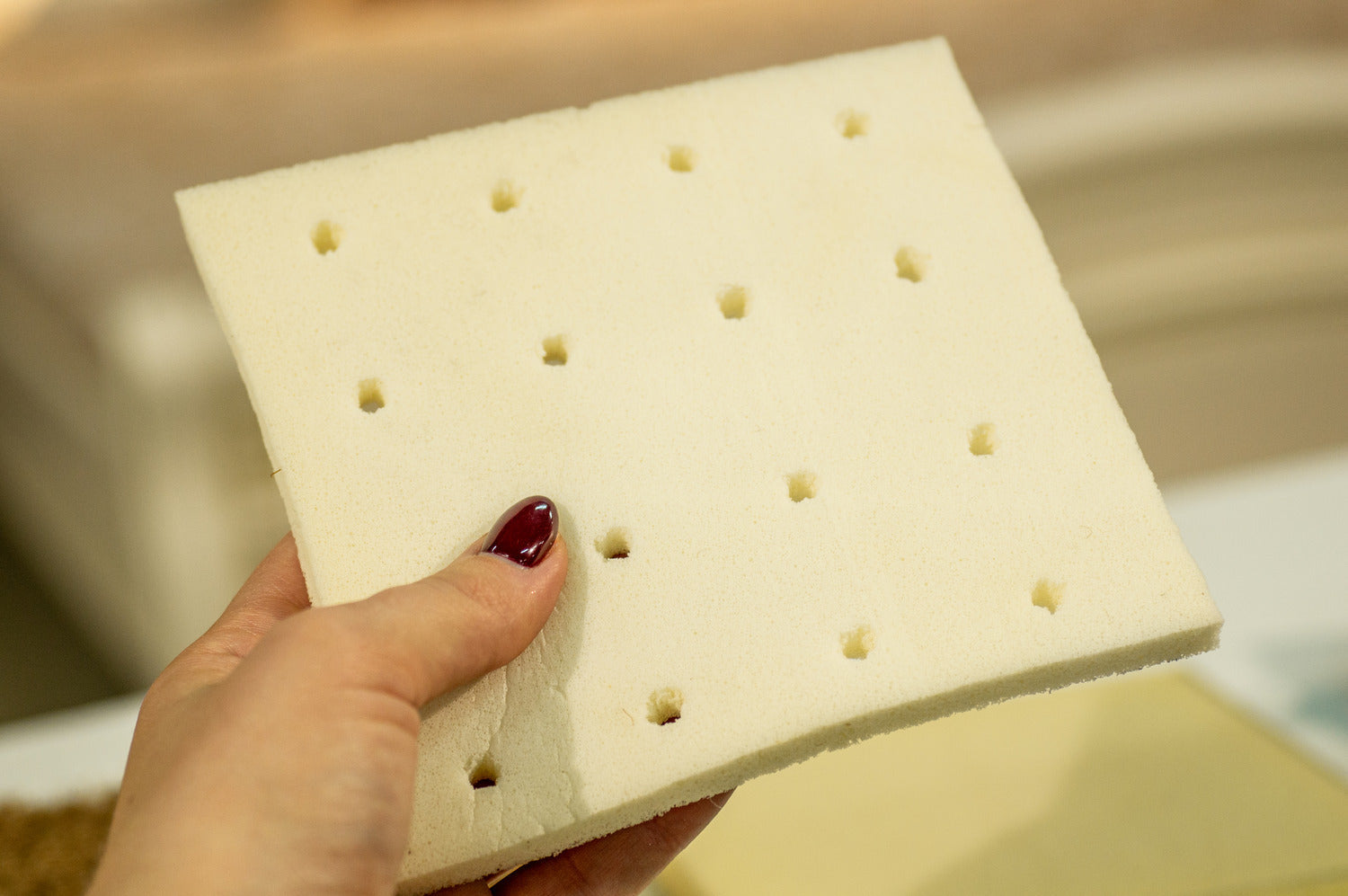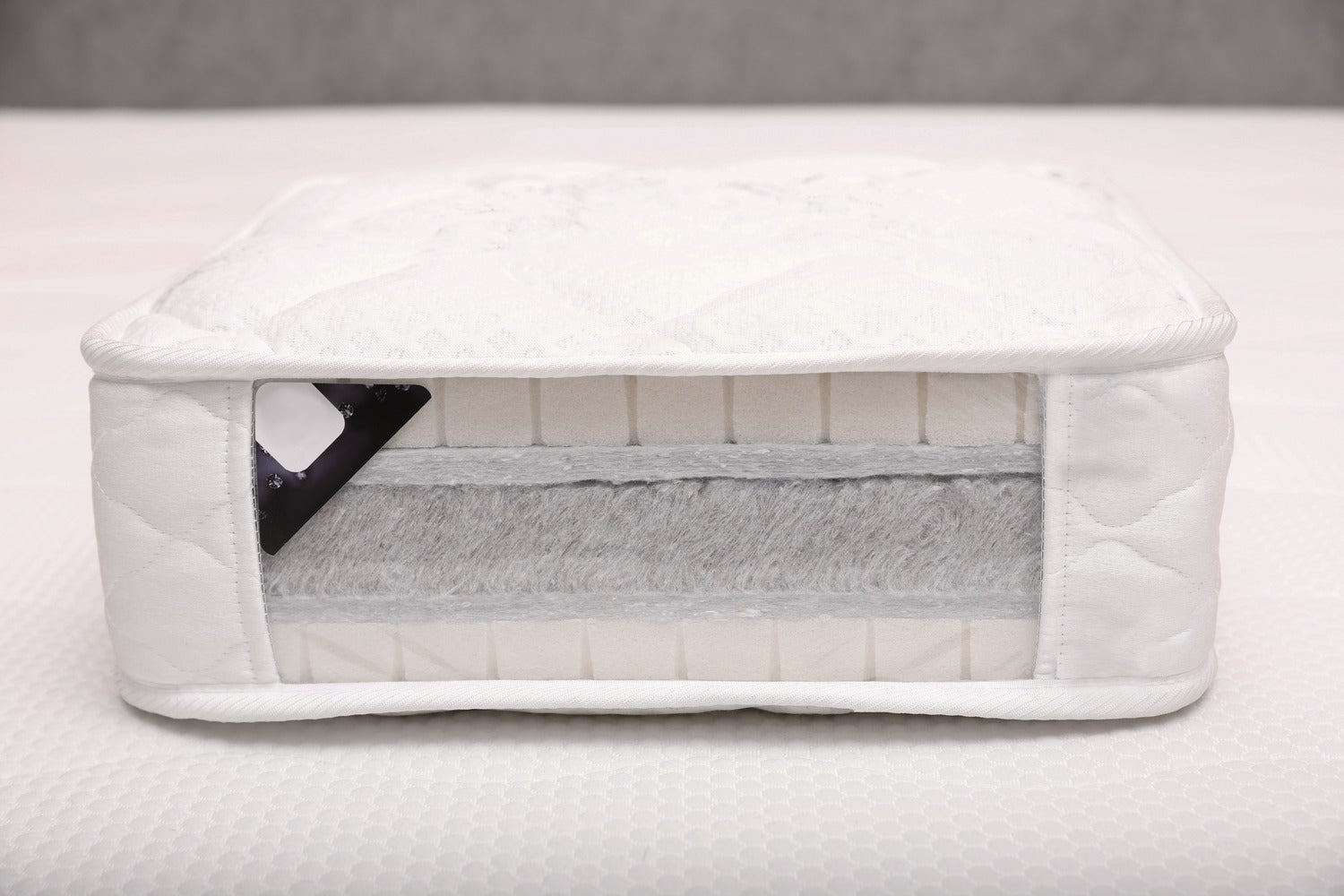

Polyurethane (PU) foam is one of the core building blocks of modern mattresses, used in everything from entry‑level beds to premium hybrids. It’s popular because manufacturers can tune it to feel soft, firm, springy, or contouring, making it suitable for many sleep styles and budgets.
In this guide, you’ll learn what PU foam is made from, how it’s manufactured, how density shapes comfort and support, and what that means for real‑world mattress lifespan so you can choose more confidently—not just by price or brand name.
How is polyurethane foam made?
Polyurethane foam is a synthetic material created through a chemical reaction between two main components: polyols and diisocyanates. When combined with water, catalysts, and other additives, they expand and solidify into a soft, cushioning structure—what we recognize as foam.
Manufacturers can adjust the formula to create varying densities, firmness levels, and support features. This flexibility is why PU foam can be found in sofas, car seats, insulation panels, and most importantly mattresses.
What raw materials are used in PU foam?
Polyurethane (PU) foam is mainly produced from a few key ingredients that work together to create its structure and feel:
-
Polyols: Long-chain molecules that provide softness, flexibility, and contribute to the overall density of the foam.
-
Isocyanates (typically TDI or MDI): Highly reactive chemicals that link with polyols to form the foam’s solid polymer network.
-
Water: Reacts with isocyanates to generate carbon dioxide gas, creating the foam’s internal cell structure.
-
Additives: A tailored mix of surfactants/stabilizers, catalysts, blowing agents, pigments, and flame retardants to control cell size, improve durability, and meet safety and performance standards.
As these components react, the mixture expands into foam, cures into a solid block, and is then cut into sheets or shaped pieces for use in mattresses, furniture, and many other applications.
How does the manufacturing process affect foam density and quality?
Foam density depends on the ratio of polyols to isocyanates and the amount of blowing agents used. Higher-density foams contain more polymer material per cubic meter, making them heavier, more supportive, and longer-lasting.
Lower-density foams, on the other hand, feel softer but may wear out faster due to larger air cells. Quality control during mixing, curing, and cutting is essential—poor control can cause uneven firmness, weak spots, or air bubbles that reduce comfort and support.
What are the different types of polyurethane foam?
Polyurethane foam is usually grouped by how hard it is and by its internal cell structure.
The main types are:
-
Flexible foam: Soft, elastic, and usually open-cell; used in mattresses, furniture cushions, car seats, and pillows.
-
Rigid foam: Hard, closed-cell insulation foam; used in building insulation panels, refrigerators, and cold rooms because it traps air and resists heat flow.
-
Semi-rigid foam: In-between flexible and rigid, often with a partially open-cell structure; used where some cushioning plus good shape stability and impact absorption are needed (e.g., automotive parts, protective packaging).
You’ll also see sub-types based on chemistry and performance:
-
Viscoelastic (memory) foam: A flexible polyurethane foam engineered to be slow-recovery and temperature/pressure sensitive for contouring and pressure relief in bedding and seating.
-
High-resilience foam: A more springy, durable flexible foam used in higher-end furniture and mattresses that need better bounce and long-term support.
-
Polyether vs polyester polyurethane foams: Polyether foams dominate cushioning and mattresses thanks to lower cost and better moisture resistance, while polyester foams are used where higher strength and abrasion resistance are needed but are less tolerant of humidity.
Taken together, these categories show that polyurethane foam is more of a broad family than a single material: by changing cell structure and chemistry, manufacturers can tune it from soft, contouring cushioning (like memory foam in mattresses) to firm, highly insulating or impact‑resistant foams for construction, automotive, and packaging.
What is the difference between flexible and rigid PU foam?
Flexible and rigid polyurethane (PU) foams differ mainly in cell structure, feel, mechanical strength, and typical use.
-
Structure and feel: Flexible PU foam has an open-cell, soft, bouncy structure that compresses easily and springs back, so it’s used for cushions, mattresses, and seating. Rigid PU foam has a closed-cell, hard structure that barely compresses under load and feels more like a lightweight solid plastic.
-
Thermal performance: Rigid foam provides far better thermal insulation because the closed cells trap gas and strongly resist heat flow, so it’s used in building and appliance insulation. Flexible foam offers only modest insulation but good airflow and breathability, which is better for comfort products.
-
Mechanical properties: Flexible foam has low density, high elasticity, and excellent shock absorption, making it ideal where comfort and impact protection matter. Rigid foam has higher density, much higher compressive strength and dimensional stability, so it can add structural support and hold its shape for decades in panels and cores.
-
Typical applications: Flexible PU foam is common in furniture, mattresses, car seats, pillows, and packaging inserts. Rigid PU foam is used in wall and roof insulation boards, refrigerator/freezer walls, composite panels, and sometimes flotation or structural cores in construction and industry.
Together, these differences mean flexible PU foam is the go‑to choice when comfort, cushioning, and breathability are the priority, while rigid PU foam is chosen when you need strong thermal insulation, high compressive strength, and long‑term dimensional stability in building and industrial applications.
How do high-density and low-density foams compare?
High-density and low-density polyurethane foams differ mainly in support, durability, feel, and price.
-
High-density foam (for polyfoam, typically above about 28–30 kg/m³) offers stronger support, holds its shape longer, and resists sagging, so it’s better for everyday mattresses and heavier sleepers.
-
Low-density foam (below about 24 kg/m³) feels softer and lighter but breaks down faster, which can lead to body impressions and a shorter mattress lifespan.
-
In real use, high-density foam usually costs more upfront but is more cost-effective over time, while low-density foam is fine for guest beds, toppers, or short-term/low-budget setups.
Overall, this means high‑density foam is the better choice when you want long‑term support and durability in a regularly used mattress, while low‑density foam works best for lighter use cases where comfort and low upfront cost matter more than lifespan.
Is polyurethane foam safe for sleepers?
For most adults, polyurethane foam is generally considered safe to sleep on once it has aired out, but there are a few caveats.
-
New PU foam (including memory and gel foam) can emit VOCs that cause a noticeable “new mattress smell,” usually strongest in the first few days and then declining with good ventilation.
-
Reputable manufacturers use formulations that avoid certain banned or heavily restricted chemicals, and certifications (for example CertiPUR-US or similar) also limit VOC emissions and specific toxic substances.
-
A minority of people—especially those with asthma, allergies, or chemical sensitivities—may experience irritation (headaches, nausea, respiratory discomfort) from off‑gassing and might prefer low‑VOC, natural, or non-foam alternatives.
Overall, polyurethane foam is considered safe for most sleepers once it has off‑gassed, but anyone with asthma, strong allergies, or chemical sensitivities should be more cautious and may be better served by low‑VOC or more natural mattress options.
Does it contain any harmful chemicals or VOCs?
Polyurethane foam (including memory and gel foam) can contain VOCs and other chemicals, but levels and risk vary a lot by product and certification.
-
The foam itself can emit VOCs such as toluene, acetone, chloromethane, and other byproducts; these off‑gas most strongly in the first days and then drop sharply over a few weeks.
-
Conventional polyfoam and memory foam mattresses may also include chemicals from adhesives, stain treatments, antimicrobial treatments, and especially flame retardants applied to meet flammability rules.
-
Some of these VOCs and additives (for example, formaldehyde, benzene, certain flame retardants) are linked to respiratory irritation and other health concerns at sufficient exposure, which is why many brands now offer low‑VOC foams certified by schemes such as CertiPUR‑US, GREENGUARD, or OEKO‑TEX.
Overall, polyurethane foam can emit VOCs and may contain problematic additives, but certified low‑VOC products significantly reduce typical exposure levels, making them a safer choice—especially for children, sensitive individuals, or anyone concerned about indoor air quality.
Is PU foam used in mattresses environmentally friendly?
While polyurethane foam is petrochemical-based, advances in production have led to more sustainable versions. Some manufacturers now use bio-based polyols derived from soy or castor oil, reducing carbon footprint.
Additionally, improved recycling and re-bonding technologies allow foam waste to be reused in new products. However, unlike natural materials such as latex, PU foam is not biodegradable, so end-of-life recycling options are still evolving.
How does polyurethane foam perform as a mattress material?
PU foam mattresses offer a supportive and comfortable sleep surface. They conform moderately to body contours, reduce motion transfer, and provide balanced pressure relief. High-density variants often feature good durability and edge support, while lower-density types excel in softness and ventilation.
That said, temperature retention can be a drawback—some PU foams trap heat, although modern open-cell or infused designs have improved breathability.
How long does a polyurethane foam mattress last?
A good-quality polyurethane foam mattress typically lasts around 7 to 10 years before it noticeably sags or loses support.
Lower-density or cheaper polyfoam (often used in basic “polyfoam” beds or sofa beds) may only hold up well for about 1 to 3 years, especially under nightly use.
High‑density polyurethane or memory foams can last longer—often on the upper end of that 7–10 year range or beyond—provided they’re well-supported, rotated occasionally, and protected from moisture and heavy wear.
Should you buy a polyurethane foam mattress?
A polyurethane foam mattress can be a good choice if you want affordable cushioning and don’t mind (or actually like) a soft, contouring feel, but it isn’t ideal for everyone.
When it’s a good idea
-
You want a budget‑friendly mattress with decent comfort and pressure relief without paying latex or high-end hybrid prices.
-
You prefer a softer, more body‑hugging feel that reduces pressure on shoulders and hips (especially in memory or high‑density polyfoam).
-
You sleep with a partner and value strong motion isolation so you don’t feel each other’s movements as much.
When to be cautious or look elsewhere
-
You are a hot sleeper and need maximum cooling; basic polyfoam can trap heat more than latex or well‑ventilated hybrids.
-
You weigh more, need extra durability, or want very firm support, in which case higher‑density foams, hybrids, or latex usually hold up better.
-
You are sensitive to chemical odors or VOCs, in which case you should either choose certified low‑VOC foam (CertiPUR‑US, GREENGUARD, OEKO‑TEX) or consider natural latex or other non‑foam options.
Overall, a polyurethane foam mattress makes the most sense if you prioritise low upfront cost, contouring comfort, and motion isolation, and are comfortable managing potential heat build‑up and mild off‑gassing.
If you run hot, need maximum durability and firm support, or are sensitive to chemicals, it’s usually wiser to either step up to higher‑quality foams and certified low‑VOC models or look at alternatives like latex or well‑designed hybrid mattresses instead.