If your mattress has seen better days or you simply want a more restful night's sleep a mattress topper could be the simplest upgrade you make to your bedroom this year. Affordable, versatile, and easy to fit to any bed, a good topper can transform how you sleep without the expense of replacing your mattress entirely.
This guide covers everything you need: how to pick the right type and material, which sizes match Cyprus bed standards, and how to care for your topper in the local climate.
What Is a Mattress Topper?
A mattress topper is a removable cushioning layer that sits directly on top of your existing mattress, usually between 2 and 10 cm thick. Its purpose is simple: to change how your bed feels. Depending on the material and density, a topper can make a firm mattress feel softer, add extra support to an aging one, or simply provide a fresher sleep surface without the cost of replacing the entire mattress.
It's worth knowing what a mattress topper is not. A mattress protector is a thin cover designed mainly to shield your mattress from spills and allergens — it doesn't meaningfully change how your bed feels. A topper, by contrast, actively transforms your sleep experience night after night. It rests beneath your fitted sheet and can be removed whenever you need to clean it or swap it out, leaving your mattress completely undisturbed.
What Does a Mattress Topper Do?
A mattress topper sits on top of your existing mattress and acts as a supplemental comfort layer — one that can meaningfully change how the surface feels without replacing the mattress entirely. Too firm? A topper softens the feel underneath. Starting to sag? A thicker topper compensates for the lost support beneath. Beyond comfort, toppers also absorb the daily wear and friction that would otherwise degrade your mattress core, effectively extending its usable lifespan.
Do Mattress Toppers Make a Difference?
Yes, and often from the very first night. The right topper redistributes your body weight more evenly, relieving pressure at the shoulders, hips, and lower back while promoting better spinal alignment. Side sleepers tend to feel the benefit most immediately, since those joints take the brunt of direct compression without adequate cushioning. The impact is greatest when your current mattress is either too firm, too soft, or has begun showing early signs of wear — essentially, when the surface no longer matches how your body needs to rest.
Are Mattress Toppers Worth It?
Yes, particularly when compared to the cost of replacing an entire mattress. A quality topper can extend a mattress's functional life by several years while delivering a customized sleep feel at a fraction of the replacement cost.
For households in Cyprus where quality mattresses represent a significant investment, a topper is a pragmatic way to bridge the gap between comfort needs and budget. It is especially worthwhile if your mattress is structurally sound but no longer feels comfortable on the surface.
What Are the Types of Mattress Toppers?
The two most widely used and recommended topper materials are memory foam and latex. Each has a distinct feel and set of performance characteristics suited to different sleepers.
1. Mattress Topper Memory Foam
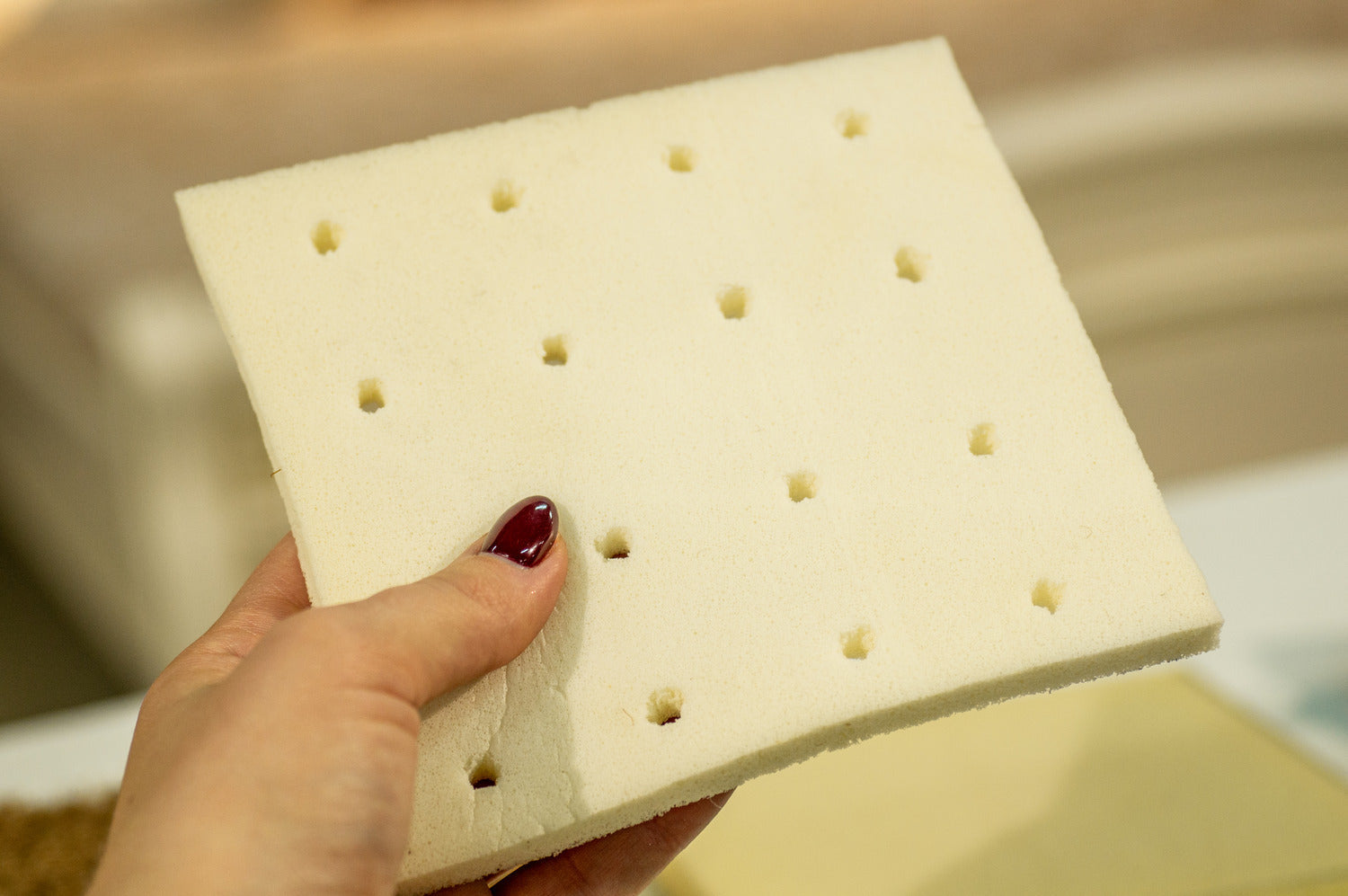
Memory foam toppers contour closely to the shape of your body, distributing weight evenly and relieving pressure across the hips, shoulders, and spine. They are particularly beneficial for side sleepers and those with joint pain, as the material responds to body heat and adjusts in real time. The main trade-off is heat retention — standard memory foam can sleep warm in Cyprus's hot summers, so look for versions with open-cell or ventilated constructions.
2. Mattress Topper Latex
Latex toppers are made from either natural or synthetic rubber and offer a more buoyant, responsive feel compared to memory foam. They contour to the body without the deep "sinking" sensation of foam, making them a preferred choice for combination sleepers who change positions frequently. Natural latex is also inherently breathable, hypoallergenic, and resistant to dust mites — a meaningful advantage in the Cypriot climate.
What Are the Mattress Topper Sizes in Cyprus?
Bed and topper sizing in Cyprus generally follows UK standards, which differ from continental European norms. Choosing the correct size ensures the topper lies flat, stays in place, and covers the entire sleep surface.
1. Single Mattress Topper (90 × 190 cm)
The single mattress topper measures 90 × 190 cm and is designed for single beds — the standard choice for children's rooms, guest rooms, or solo adult sleepers.
2. Small Double Mattress Topper (120 × 190 cm)
A small double mattress topper at 120 × 190 cm offers more width than a single without committing to a full double footprint. It works well in smaller bedrooms and is a popular option for solo sleepers who prefer extra sleeping space.
3. Double Mattress Topper (135 × 190 cm)
The double mattress topper at 135 × 190 cm is the most common size for couples in Cyprus and fits the standard double bed frame. It provides enough surface area for two sleepers while maintaining a manageable size for regular cleaning and handling.
4. King Mattress Topper (150 × 200 cm)
A king mattress topper measuring 150 × 200 cm suits larger bed frames and is a favoured option for couples who prioritise personal sleeping space. The extra length of 200 cm also accommodates taller sleepers comfortably.
5. Super King Mattress Topper (180 × 200 cm)
The super king mattress topper at 180 × 200 cm is the largest standard size available, delivering a truly expansive sleep surface for master bedrooms. This size is best suited to wide super king bed frames for those seeking maximum comfort and coverage.
Which is better, memory foam or latex topper?
Neither material is universally superior — the right choice comes down to your sleep style, body weight, and how sensitive you are to heat. The table below breaks down the key differences:
|
Feature |
Memory Foam |
Latex |
|
Feel |
Contouring, slow-response |
Buoyant, responsive |
|
Pressure relief |
Excellent — molds to body shape |
Very good — cradles without sinking |
|
Temperature |
Can retain heat |
Naturally breathable and cooler |
|
Best for |
Side sleepers, joint pain relief |
Combination sleepers, hot sleepers |
|
Durability |
3–5 years average |
Typically longer-lasting |
|
Hypoallergenic |
Moderate |
Naturally resistant to dust mites |
|
Cyprus climate |
Better with ventilated foam |
Well-suited to warm conditions |
For Cyprus's warm climate, latex holds a practical edge during summer months. Memory foam, however, remains the better choice for deep pressure relief in cooler months or air-conditioned bedrooms.
What Is the Best Mattress Topper in Cyprus?
Finding the best mattress topper depends on factors such as material quality, available sizes, and compatibility with Cyprus bed sizing standards. At Panstromasew, we are positioned as a specialist bedding retailer in Cyprus, offering a curated selection of toppers that balance high-quality construction with local availability. Below are our best options.
1. Marshmelo Memory Foam Topper
The Marshmelo is a premium foam mattress topper engineered for deep contouring comfort and consistent pressure distribution. Its memory foam construction adapts to your body's shape and sleeping position, making it an excellent choice for those who wake with back or joint discomfort. Available in all standard Cyprus sizes.
2. Panstromasew Latex Topper
Panstromasew's own-brand latex topper delivers the buoyant, breathable feel that makes latex the material of choice for warm-weather sleeping. It is resilient against compression over time and naturally hypoallergenic, making it a strong long-term investment for any bedroom in Cyprus.
3. Panstromasew Memory Foam Topper
This foam mattress topper from Panstromasew offers dependable pressure-relieving performance at an accessible price point. The memory foam layer conforms to body contours throughout the night, and it is available in all standard Cyprus bed sizes — from single to super king.
4. Comfort Layer Memory Foam Topper
The Comfort Layer is a foam mattress topper designed as a structural comfort enhancement, adding a generous layer of supportive foam that can revive an older mattress or customize the feel of a new one. It is particularly effective for those transitioning from a firm mattress who want a softer surface without replacing the whole bed.
Can You Buy a Mattress Topper in Limassol?
Yes, you can purchase a mattress topper in Limassol directly from our physical Panstromasew store. As dedicated bedding specialists in Cyprus, we give you the opportunity to feel and compare different materials in person, which is especially helpful when deciding between options like memory foam and latex.
If you’re not based in Limassol, we also offer delivery across the city and throughout Cyprus via our online shop, making it easy to get the right mattress topper no matter where you are located.
How Thick Should a Mattress Topper Be?
Choosing the right thick mattress topper comes down to your sleeping position, body weight, and the condition of your current mattress.
Here is a practical thickness guide:
-
1–2 cm (1 inch): Minimal adjustment; best for those with a good mattress needing a slight surface change
-
5 cm (2 inches): Noticeable plushness; ideal for light sleepers or those with a supportive base mattress
-
7.5 cm (3 inches): The most versatile thickness — recommended for most sleepers and the best balance of support and comfort
-
10 cm (4 inches): Maximum cushioning; suited to heavier sleepers, side sleepers with joint pain, or those with an ageing mattress
As a general rule, a thick mattress topper of 3–4 inches suits side sleepers and heavier individuals, while back and stomach sleepers perform better with 2–3 inches to maintain proper spinal alignment. Also consider your existing mattress height — adding a very thick topper to an already tall mattress can make entry and exit uncomfortable.
What Are the Advantages and Disadvantages of a Mattress Topper?
A mattress topper is one of the most cost-effective ways to improve your sleep setup — but it does have limitations worth knowing before you buy.
Advantages:
-
Meaningfully improves comfort without the cost or hassle of replacing your mattress
-
Absorbs daily wear and friction, extending the lifespan of your existing mattress
-
Available in multiple materials and all standard Cyprus sizes to suit different sleep needs
-
Removable and washable, making it far easier to maintain a hygienic sleep surface
-
Relieves pressure points at the hips, shoulders, and lower back, reducing morning aches
-
A fraction of the cost of a full mattress replacement
Disadvantages:
-
Cannot rescue a structurally damaged or severely sagging mattress — it addresses surface feel, not core support
-
Standard memory foam retains heat, which is worth considering given Cyprus's warm summers
-
Adds height to the bed, which may mean replacing your fitted sheets with deeper-pocket versions
-
Requires periodic cleaning and eventual replacement, typically every three to five years
-
Lower-quality toppers can compress and lose their effectiveness within the first year
What Are the Alternatives to a Mattress Topper?
A mattress topper is the most effective way to modify your sleep surface without replacing the mattress entirely — but it isn't the only option. Depending on what's driving your discomfort, one of the following alternatives may be sufficient.
-
Mattress pad — thinner than a topper, a mattress pad adds a light layer of cushioning while primarily protecting the mattress surface from spills, sweat, and allergens; a practical choice if your mattress is still comfortable but needs a hygiene upgrade.
-
Mattress protector — offers no meaningful comfort change but shields against moisture, dust mites, and general wear, extending the life of both your mattress and any topper placed over it.
-
Upgraded bedding — high-quality sheets in breathable materials such as cotton or bamboo can improve temperature regulation and surface feel, particularly relevant in Cyprus's warm climate.
-
Rotating your mattress — if your mattress is wearing unevenly, a simple 180° rotation can redistribute pressure points and reduce the appearance of sagging, buying additional life before a topper or replacement becomes necessary.
-
Adjustable bed base — for sleepers dealing with back pain, snoring, or circulation issues, an adjustable base changes the angle of the sleep surface rather than its firmness, addressing postural comfort that a topper cannot.
How to Clean a Mattress Topper?
Regular cleaning keeps your topper hygienic, odour-free, and performing at its best. Work through the following steps every one to three months, or whenever the topper needs a refresh.
-
Strip and lay flat — remove all bedding, take the topper off the mattress, and lay it flat on a clean floor surface
-
Vacuum thoroughly — use a soft-brush attachment to go over the entire surface, removing dust, dead skin cells, and debris
-
Apply baking soda — sprinkle an even layer across the full surface and leave it for six to eight hours to absorb moisture and neutralise odours
-
Vacuum again — remove all baking soda residue before moving on to spot treatment
-
Spot-clean any stains using the solution suited to your topper material:
-
Memory foam: mix one part white vinegar with two parts cold water, spray lightly onto the stain, leave for 30 minutes, then blot clean with a damp cloth
-
Latex: mix one part mild dish soap with two parts cold water, apply to the stain, leave for 15 minutes, then wipe clean with a damp cloth
-
Air-dry completely — lay the topper flat in a well-ventilated room and allow it to dry fully before returning it to the bed; never use a tumble dryer on memory foam or latex, as the heat will permanently damage the material
What to avoid: bleach, harsh chemical cleaners, and machine washing — all three break down the structural integrity of both foam and latex over time.
How Often Should You Change Your Mattress Topper?
Most mattress toppers last between three and five years, though lifespan varies considerably depending on material quality, how frequently the topper is used, and how well it is maintained. Latex toppers tend to outlast memory foam significantly, with a quality natural latex topper lasting anywhere from five to ten years.
A well-maintained organic latex topper can push well beyond that range. Memory foam, by contrast, typically reaches the end of its effective life within three to five years, and lower-density options may begin to compress and lose shape within the first two.
|
Material |
Average Lifespan |
|
Memory foam |
3–5 years |
|
Natural latex |
5–10 years |
|
Synthetic latex |
3–5 years |
|
Wool |
4+ years |
|
Feather/down |
2–3 years |
Signs It's Time to Replace
Rather than waiting for a set number of years, watch for these practical indicators that your topper has reached the end of its useful life:
-
Visible sagging or permanent indentations — if the surface no longer springs back, it has lost its structural integrity and is no longer supporting your body correctly.
-
Waking up with aches — renewed stiffness in the lower back, hips, or shoulders after a period of comfort is a reliable signal that the topper is no longer doing its job.
-
Persistent odours — musty smells that survive routine cleaning can indicate the presence of mould or bacteria within the material; at that point, replacement is the only safe option.
-
Visible tears, lumps, or uneven surface — physical deterioration that cannot be corrected by rotation or cleaning.