
We spend roughly one-third of our lives sleeping, so the quality of our mattress can have a tremendous impact on our overall health and daily performance. A high-quality mattress doesn’t just provide comfort—it supports healthy sleep cycles, eases pain, and contributes to mental and physical wellbeing.
In this post, we’ll explore what defines a high-quality mattress and how it can transform your sleep and your health.
What Makes a Mattress "High Quality"?
A mattress is considered high quality when it consistently supports your body, stays comfortable over time, and is made from safe, durable materials. It should help you fall asleep faster, stay asleep longer, and wake up without stiffness or pain.
Key signs of a high-quality mattress
-
Support and spinal alignment
It keeps your spine in a neutral position whether you sleep on your back, side, or stomach, so your body feels supported instead of sagging or arching awkwardly. -
Pressure relief
It distributes weight evenly, especially around the shoulders, hips, and lower back, so you don’t wake up with numbness or sore spots. -
Durable, dense materials
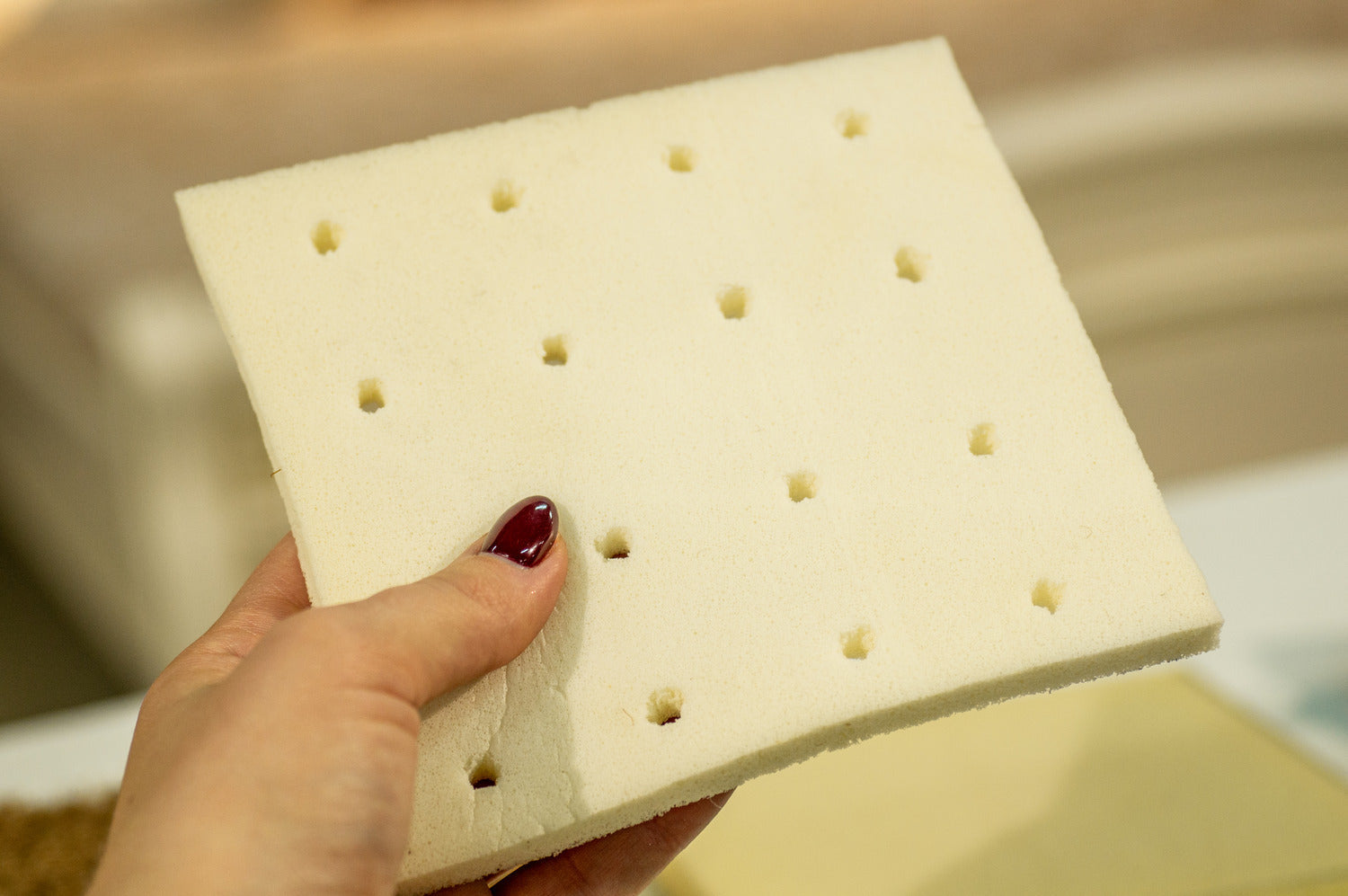
High-density foams, quality pocket springs, or natural latex hold their shape for years instead of dipping or developing permanent body impressions after a short time. -
Comfort that matches your sleep style
The firmness level (soft, medium, firm) feels comfortable for your preferred sleeping position and body weight, without feeling either too hard or too “sink-in” and unstable. -
Temperature and moisture control
Breathable covers, airflow channels, or cooling materials help prevent overheating and night sweats, keeping the sleeping surface comfortably balanced. -
Low motion transfer and noise
Good mattresses limit how much you feel a partner moving and avoid creaks or squeaks, which helps you stay asleep through the night. -
Strong edge support
The sides of the mattress remain stable when you sit or sleep near the edge, instead of collapsing or feeling like you might roll off. -
Safety and health standards
Independent certifications (for example, low emissions and absence of harmful chemicals) indicate that the foams, fabrics, and adhesives meet basic health and environmental benchmarks.
If a mattress combines these qualities—proper support, comfort, durability, temperature control, and safety—it would generally be considered high quality, even if it doesn’t have the highest price tag or the most aggressive marketing.
How is mattress quality measured (materials, design, certifications)?
Mattress quality is largely defined by three pillars: the materials used, the design of the structure, and trusted certifications that verify safety and performance. High-grade materials such as natural latex, high-density memory foam, and advanced hybrid coil systems are often found in premium models, offering a combination of balanced firmness, reliable spinal support, and good breathability.
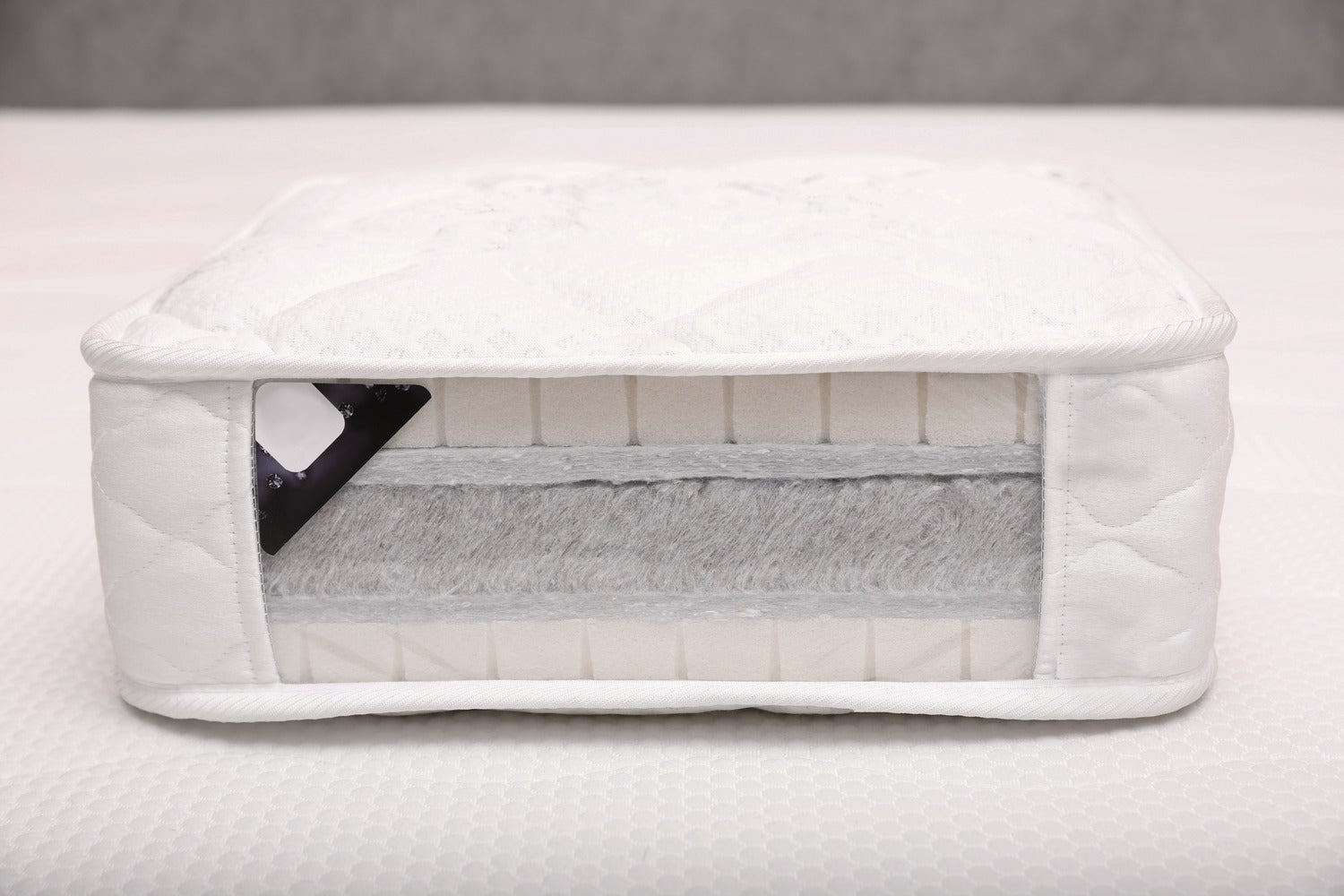
Thoughtful design features—including multi-layer constructions, zoned support areas, and motion-isolating components—enhance comfort, stability, and pressure relief across the entire sleep surface. In addition, independent European certifications such as OEKO-TEX® Standard 100 and EU Ecolabel verify that the mattress materials meet rigorous health, safety, and environmental standards.
When these elements align, they provide a strong indication of the mattress’s ability to deliver restorative sleep while maintaining long-term performance and sustainability.
Does price always reflect mattress quality?
Price and quality are related, but they are not the same thing when it comes to mattresses. A higher price often reflects better materials (denser foams, natural latex, robust pocket springs), more complex design (zoned support, extra comfort layers, cooling tech), and added overheads (warranties, customer service, trial periods, brand marketing). These can all contribute to a genuinely better, longer-lasting mattress.
However, price does not always reliably indicate quality for several reasons:
-
Some expensive mattresses use heavy branding and advertising to justify higher prices without significantly better construction.
-
Mid-range mattresses can use very solid materials and designs but keep costs down by selling online or cutting showroom expenses.
-
Budget models sometimes offer surprisingly good value for lighter sleepers, guest rooms, or short-term use, even if they won’t last as long.
In practice, it’s more reliable to judge quality by what you can verify—foam density, coil type and count, build details, and independent certifications—rather than by price alone. A well-chosen mid-priced mattress that matches your body, sleep position, and comfort preferences can outperform a more expensive one that’s poorly suited to you.
What Are the Benefits of Having a High-Quality Mattress?
A high‑quality mattress offers much more than a soft surface to sleep on. It actively supports your body, protects your long‑term health, and helps make every night’s rest deeper, more comfortable, and more refreshing.
1. Better Sleep Quality
A well-designed, supportive mattress promotes proper spinal alignment and evenly supports your body, reducing tossing and turning. Easing pressure points and limiting motion transfer helps you move through deeper, more restorative sleep stages that are essential for energy, clear thinking, and emotional balance.
2. Improved posture and less pain
A quality mattress supports the natural curves of your spine instead of letting your body sag into awkward positions. This reduces strain on muscles, joints, and the lower back, meaning issues like morning stiffness or chronic back and neck pain can often improve simply by replacing an old, unsupportive mattress.
3. Better physical and mental health
Consistent, high-quality sleep underpins hormone balance, immune function, and brain performance. Because a good mattress makes it easier to fall asleep and stay asleep, it can indirectly reduce problems linked to poor sleep—such as heightened stress, anxiety, irritability, and difficulty concentrating—supporting both physical resilience and mental wellbeing.
4. More comfort and temperature control
Premium materials, such as gel-infused foams, breathable natural latex, and moisture-wicking covers, help disperse heat and manage humidity. This creates a more comfortable microclimate around your body, reducing overheating and night sweats so you can stay asleep longer without frequent awakenings.
5. Long-term value and durability
High-quality mattresses are built to maintain their shape and support for many years, often performing well for a decade or more when properly cared for. This durability means fewer dips and sagging over time, less need for early replacement, and better long-term value—along with consistently comfortable, reliable sleep night after night.
How Does a High-Quality Mattress Affect Sleep?
Sleep quality is closely tied to how fully your body can relax and recover throughout the night. A high-quality mattress supports natural spinal alignment, cushions pressure points, and reduces disruptions from movement and temperature changes, so you stay more comfortable in one position for longer.
As a result, you’re more likely to spend extended time in deep sleep, the stage most critical for physical repair, immune function, and memory consolidation.
Can a High-Quality Mattress Improve Your Health?
A high-quality mattress can absolutely support better health. When you sleep well, your body has the chance to repair muscles, restore energy, regulate hormones, and clear waste products from the brain. Poor or fragmented sleep, on the other hand, is linked to issues such as weight gain, high blood pressure, lowered immunity, and increased anxiety.
By making it easier to fall asleep, stay asleep, and wake up without pain, a high-quality mattress creates the conditions for consistent, restorative rest—and that consistency becomes a powerful foundation for long-term physical and mental wellbeing.
Is a High-Quality Mattress Worth the Cost?
Yes—especially when you see it as a long-term investment in your health rather than just another piece of furniture. A well-made mattress can meaningfully improve sleep quality, posture, pain levels, and even mood, making it one of the most impactful purchases in your home.
While the initial price may be higher, the payoff comes in the form of years of consistent comfort, better daily functioning, and reduced need for frequent replacements—so its real cost per night of use is surprisingly low.