Latex mattresses have become a top choice for sleepers seeking comfort, support, and eco-friendly materials. But not all latex is created equal. The two main types—Talalay latex and Dunlop latex—offer distinct benefits in feel, durability, and performance.
Understanding how they differ is key to finding the perfect mattress that matches your body type, sleep style, and comfort preferences.
What Is Talalay Latex?
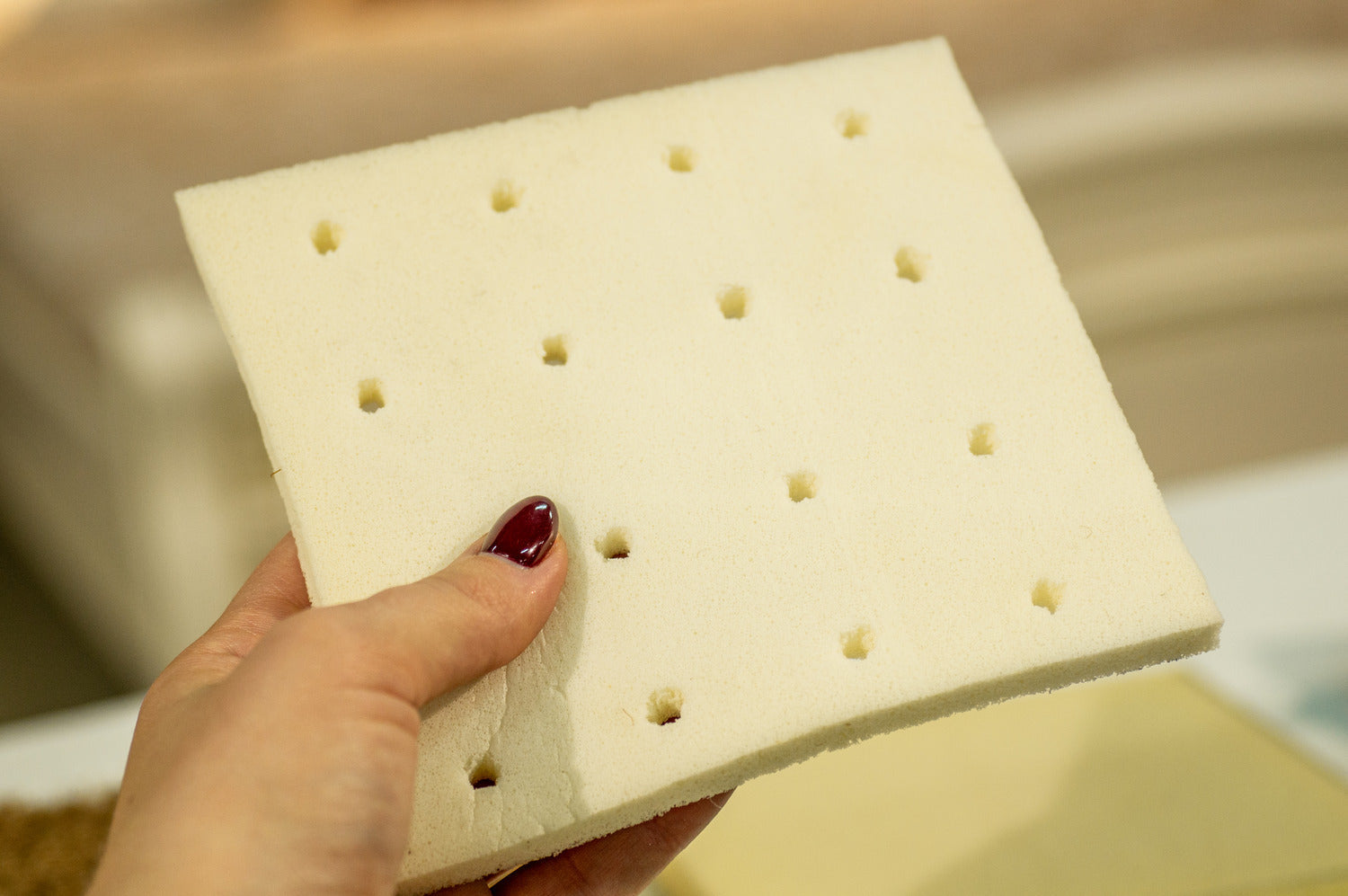
Talalay latex is a refined, high-quality form of natural latex made through a meticulous process that ensures consistency and softness. After liquid latex is poured into a mold, the air is vacuum-sealed out, frozen, and then baked. This extra step—freezing before curing—distributes the latex more evenly and results in a light, airy foam with a uniform cell structure.
The outcome is latex that feels bouncier, softer, and more responsive. Talalay latex is often chosen for luxury mattresses or comfort layers where pressure relief and contouring are key.
What Is Dunlop Latex?
Dunlop latex is the original and more traditional method of producing latex foam. The process is simpler: liquid latex is whipped into a froth, poured into a mold, and then baked. The heavier particles naturally settle toward the bottom during baking, creating a denser base and a slightly firmer top.
This structure gives Dunlop latex a firmer, denser, and more supportive feel. It is often used in mattress cores or in products where durability and structural integrity are priorities.
What Are the Differences Between Talalay Latex and Dunlop Latex in Mattresses?
While both types originate from natural latex sap (usually harvested from rubber trees), their manufacturing processes and resulting characteristics differ in key ways.
These differences influence how each mattress performs in terms of comfort, support, breathability, and longevity. Below is a detailed breakdown of what sets Talalay and Dunlop latex apart.
1. Manufacturing Process and Consistency Differences Between Talalay Latex and Dunlop Latex
Both Talalay and Dunlop latex begin as whipped liquid latex poured into a mold. The difference lies in their processing methods, which directly affects the foam’s texture, consistency, and overall performance:
-
Talalay latex undergoes additional vacuum and freezing stages, creating a more uniform, consistent, and airy foam structure. Each layer is lighter, more breathable, and more complex to produce — ideal for sleepers who value precision and comfort consistency.
-
Dunlop latex skips the freezing step, making it faster, more energy-efficient, and more sustainable to manufacture. However, it naturally develops density variation — denser at the bottom and softer at the top — giving it a firmer, more organic feel.
In essence, Talalay latex emphasizes precision and consistency, while Dunlop latex balances simplicity, durability, and sustainability.
2. Feel and Firmness Differences Between Talalay Latex and Dunlop Latex
The primary distinction between Talalay and Dunlop latex lies in how each material feels and supports the body:
-
Talalay latex offers a plush, buoyant, and contouring feel that gently cradles the body. Its responsive surface provides excellent pressure relief, making it ideal for side and combination sleepers seeking a cushioned yet supportive sleep experience.
-
Dunlop latex delivers a denser, firmer, and more grounded feel. It’s perfect for back and stomach sleepers who need consistent support and proper spinal alignment throughout the night.
You can think of Talalay as “cloud-like” and Dunlop as “earthy and steady” — two comfort experiences designed for different sleep preferences.
3. Density, Breathability, and Temperature Differences Between Talalay Latex and Dunlop Latex
While both types of latex offer excellent comfort and durability, their physical properties lead to distinct performance differences in density, airflow, and temperature regulations.
-
Density: Dunlop latex naturally has a higher density, giving it a firmer, heavier, and more stable feel. Talalay latex, on the other hand, features a lower density, resulting in greater softness, buoyancy, and responsiveness.
-
Breathability: The open-cell structure of Talalay latex allows for enhanced airflow and superior ventilation, helping to maintain a cooler sleep surface. Dunlop latex is less aerated but remains naturally temperature-neutral due to its breathable organic composition.
-
Temperature Regulation: Hot sleepers often prefer Talalay latex for its cooling properties, while Dunlop latex provides a cozier feel, ideal for those who prefer neutral or slightly warmer sleep conditions.
In short, Talalay excels in coolness and breathability, whereas Dunlop stands out for its dense, grounded comfort and natural insulation.
4. Durability and Cost Differences Between Talalay Latex and Dunlop Latex
Both Talalay and Dunlop latex are known for their exceptional lifespan and quality, but subtle differences in structure and production impact their long-term durability and price point:
-
Durability: Dunlop latex generally offers greater longevity thanks to its higher density and naturally firmer structure. It performs especially well as a mattress core, maintaining support and shape over many years. Talalay latex is still highly durable but slightly less dense, making it best suited for comfort layers where softness and contouring are prioritized.
-
Cost: Talalay latex is typically more expensive due to its complex, labor-intensive manufacturing process and premium comfort consistency. Dunlop latex provides a more affordable option, offering excellent durability and support at a lower production cost.
In summary, Dunlop latex excels in durability and value, while Talalay latex delivers a luxurious, high-precision comfort experience at a higher price point.
5. Mattress Usage Differences Between Talalay Latex and Dunlop Latex
Each type of latex plays a distinct role in mattress design, complementing different comfort and support needs:
-
Talalay latex is most often used in the comfort layers of a mattress to provide enhanced softness, responsiveness, and pressure relief. Its buoyant, contouring feel makes it ideal for creating a plush and adaptive sleeping surface.
-
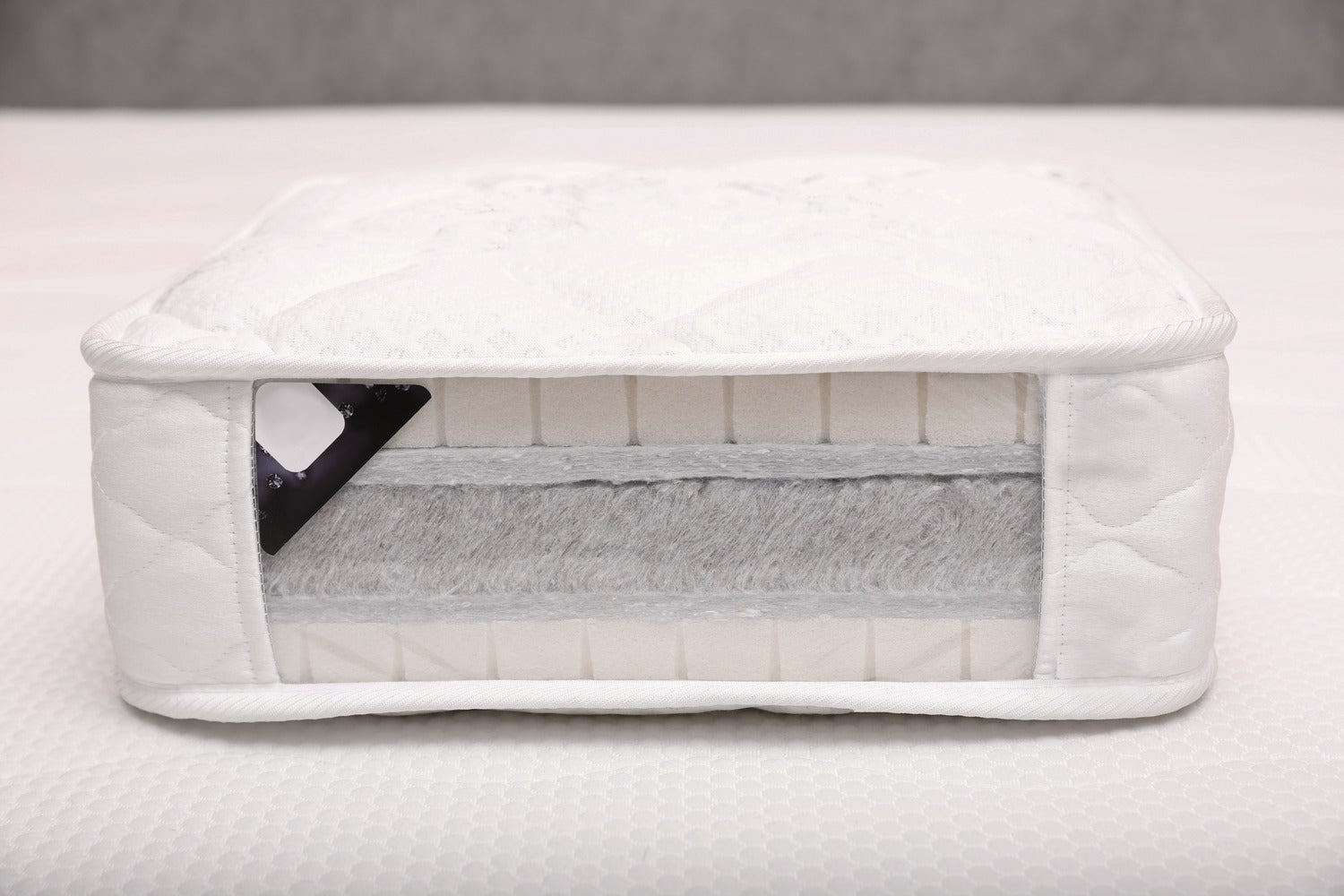
Dunlop latex is typically used in the support core or in all-latex mattresses that emphasize durability, firmness, and structural stability. Its denser composition ensures consistent support over time.
Many premium mattresses combine both materials in a hybrid construction — Talalay on top for comfort and Dunlop beneath for support — offering sleepers the perfect balance of plush contouring and strong core stability.
Which Is Better for Whom?
The choice between Talalay and Dunlop latex ultimately depends on your sleep style, comfort priorities, and budget considerations:
Choose Talalay latex if you:
-
Prefer a softer, more responsive sleep surface
-
Sleep on your side or frequently change positions
-
Sleep hot and need maximum airflow and cooling
-
Value luxurious comfort layers and precise contouring
Choose Dunlop latex if you:
-
Prefer a firmer, more supportive feel
-
Sleep on your back or stomach for better alignment
-
Want a more affordable and eco-friendly option
-
Need durability and strong long-term support
In short, Talalay latex excels in plush comfort and adaptability, while Dunlop latex stands out for its firm support and natural resilience. Understanding these qualities helps you choose the mattress construction that best fits your body type, sleeping habits, and comfort goals.