
A mattress may not seem like a major life investment—until you realize how much of your health, productivity, and daily comfort depend on it. The right mattress can transform the quality of your sleep, reduce long-term discomfort, and even save you money by lasting longer.
Let’s explore why investing in a high-quality mattress is one of the smartest choices you can make for both your well-being and your wallet.
What Does “High Quality Mattress” Mean?
A “high-quality mattress” refers to materials and craftsmanship that deliver consistent comfort, support, and durability over time. It’s not just about luxury branding—it’s about performance.
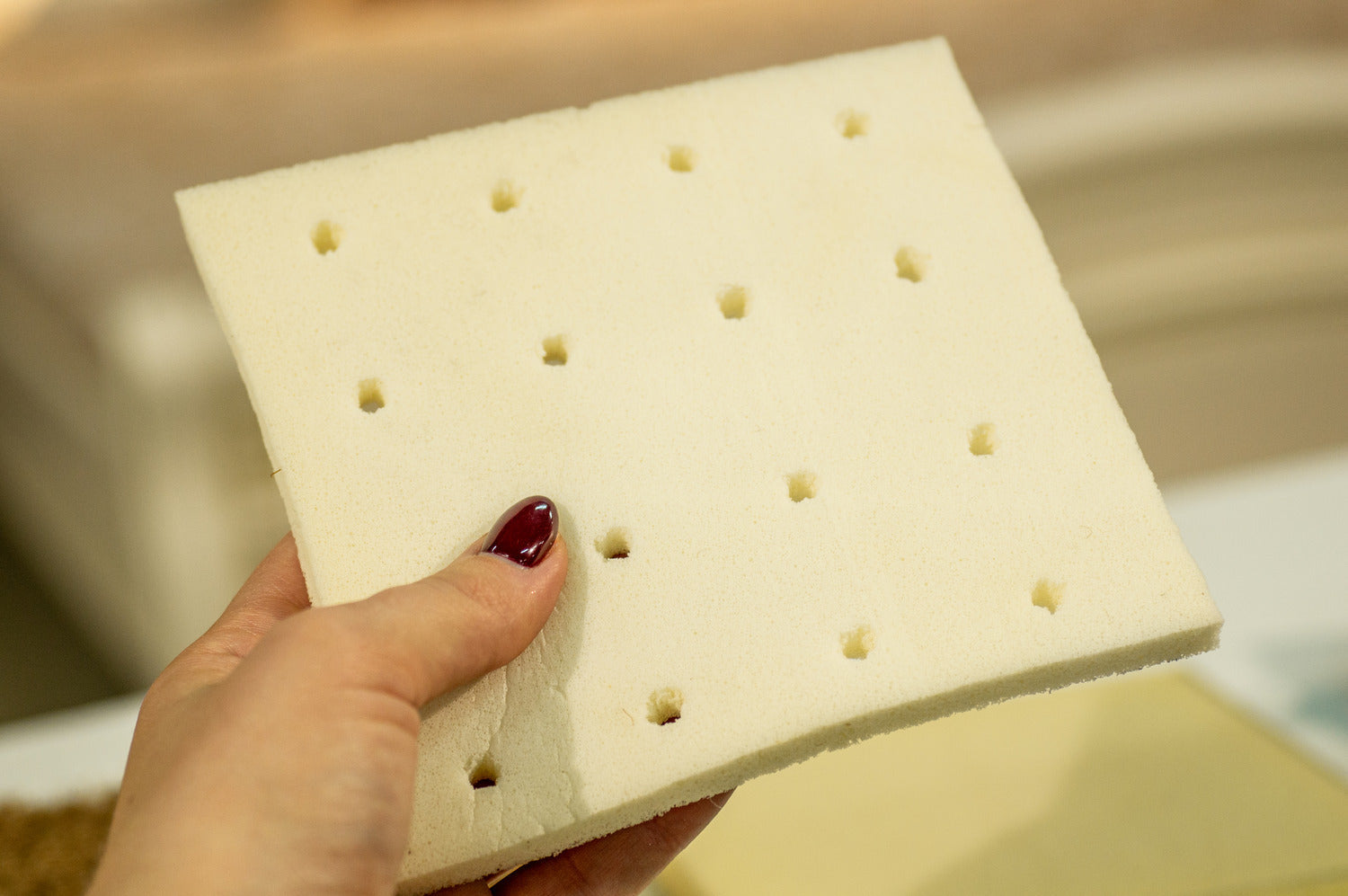
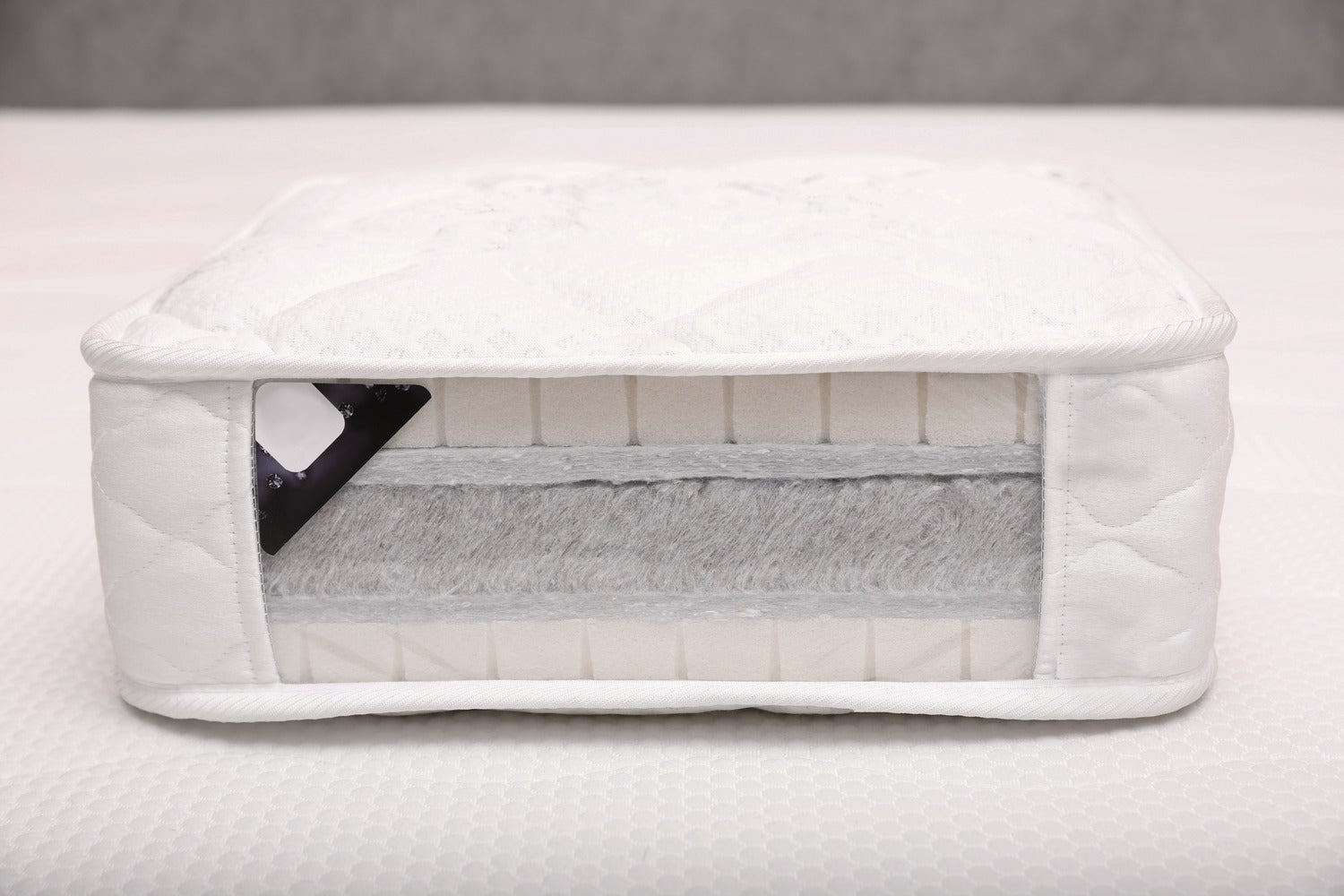
These mattresses are typically made using dense, supportive foams or coil systems that maintain structure, breathable materials that enhance temperature regulation, and eco-friendly fabrics that resist wear and allergens.
Key qualities include:
-
Proper spinal alignment through balanced firmness and contouring support
-
Long-lasting resilience without sagging or uneven compression
-
Certifications such as OEKO-TEX® Standard 100 and EU Ecolabel verifying material safety, low emissions, and environmentally responsible production
-
High-performance covers that wick moisture and enhance airflow
Essentially, a high-quality mattress is designed to support your body and sleep preferences for years, not just months.
What are the reasons to invest in a high-quality mattress?
When you compare the long-term value of restful, restorative sleep to the hidden costs of poor rest, investing in a high-quality mattress quickly begins to make sense. It’s one of those rare purchases that pays you back—financially, physically, and in overall quality of life.
1. Financial reasons
A low-cost mattress might save you money upfront, but its comfort and support often fade within just a few years. That means more frequent replacements—and more expense in the long run. A well-crafted mattress, however, can provide consistent quality sleep for 8 to 10 years or longer.
Consider it from a “cost per night” perspective: sleeping eight hours a night for a decade adds up to nearly 30,000 hours of use. A premium mattress that performs consistently throughout that time costs only a few cents per night when spread over its lifespan.
High-quality mattresses also tend to come with longer warranties, more flexible trial periods, and even indirect financial benefits, such as fewer health costs related to poor posture, disrupted sleep, or muscle pain.
2. Health and performance reasons
Quality sleep is a cornerstone of well-being, and a supportive mattress is the foundation of that rest. A properly engineered mattress promotes:
-
Spinal alignment, reducing chronic back and joint pain
-
Better circulation, especially at pressure points like the shoulders and hips
-
Uninterrupted rest, minimizing tossing, turning, and nighttime awakenings
Deep, uninterrupted rest enhances memory, focus, and mood while strengthening the immune system. Many athletes, founders, and professionals notice significant improvements in energy and cognitive performance when sleeping on an ergonomically supportive mattress.
Your mattress is quite literally the platform for your body’s nightly repair process—helping you wake up stronger, clearer, and more refreshed.
3. Practical and lifestyle reasons
A high-quality mattress doesn’t just improve how you sleep—it elevates how you live. Premium designs often feature practical innovations such as removable and washable covers, temperature-regulating materials, and hybrid constructions that prevent motion transfer between partners.
These mattresses also create a cleaner, healthier environment, especially when built with hypoallergenic or eco-certified materials that resist dust and allergens. For couples or families, advanced comfort layers like memory foam and pocket coils help minimize movement so everyone enjoys uninterrupted rest.
In short, a high-quality mattress supports your health, finances, and lifestyle in ways that a budget model simply can’t match.
Do different mattress types change the investment case?
Absolutely. While all mattress types aim to deliver comfort and support, each technology offers unique strengths that can influence both your sleep experience and the long-term value of your purchase.
Memory foam: Exceptional contouring and pressure relief make this type a favourite among side sleepers and those with joint discomfort. It adapts closely to your body shape, promoting healthy alignment and minimising motion transfer.
Hybrid mattresses: By combining supportive coils with layers of foam or latex, hybrids offer the perfect balance of bounce, structure, and softness. They’re durable, versatile, and well-suited for couples or mixed sleep styles.
Natural latex: Known for its breathability and resilience, natural latex provides a cooler, more responsive feel. It’s also a highly sustainable option—ideal for eco-conscious shoppers seeking long-lasting comfort.
Innerspring: The classic choice offers a firmer, traditional feel with excellent airflow. While generally less durable than foam or hybrid options, premium innerspring models with pocketed coils can still perform remarkably well over time.
Ultimately, the true value of a mattress doesn’t come from its category alone—it lies in the quality of the materials, design, and craftsmanship. A well-constructed mattress of any type will outlast and outperform lower-quality versions, making it a better long-term investment for restful, rejuvenating sleep.
When is the right time to upgrade your mattress?
Even the best mattresses have a lifespan. Over time, daily use gradually reduces their ability to support your body properly and maintain comfort. Knowing when to upgrade ensures you preserve both the quality of your sleep and your physical well-being.
In most cases, a mattress lasts between seven and ten years, depending on the materials used, how well it’s cared for, and the environment it’s in. Premium materials like high-density foam or natural latex often extend that lifespan, while cheaper models can lose structure and comfort much sooner.
You should also consider upgrading when you notice changes in your sleep quality—if you’re waking up with stiffness, soreness, or persistent fatigue, your mattress could be the reason. Likewise, lifestyle or health changes, such as pregnancy, injury recovery, or weight change, may require a different level of support.
Replacing your mattress at the right time doesn’t just prevent discomfort—it helps preserve your health, improve rest, and extend the performance of your bedding and sleep routine overall.
What are the signs your mattress is failing?
When your mattress is no longer supporting your body properly, it often shows up first in how you feel when you wake up. Common signs include new or worsening aches, stiffness, or fatigue that weren’t an issue before, especially in your lower back, hips, shoulders, or neck.
You may also notice visible changes in the mattress itself, such as sagging, dips, lumps, or a permanent body impression where you usually sleep. Noises like creaking springs, a “crunchy” feel, or shifting materials can also indicate internal components are wearing out.
Other red flags are increased tossing and turning, struggling to find a comfortable position, or sleeping better on a different bed (like in a hotel or guest room). If your allergies or asthma seem worse at night, accumulated dust, allergens, or deteriorating materials inside an older mattress may be part of the problem.
If several of these signs are present—especially if your mattress is already approaching 7–10 years of use—it’s a strong signal that it’s failing and no longer delivering the support and comfort you need.
How often should you replace a mattress?
Most people should plan to replace their mattress roughly every 7–10 years, assuming it’s a reasonably well-made model and has been looked after.
The ideal replacement interval does vary by type: many guides suggest around 5–8 years for basic innerspring mattresses, about 7–10 years for foam and hybrids, and potentially 10–15 years for high-quality latex designs.
However, age is only one factor; if you notice sagging, discomfort, or worsening sleep before that window, it can make sense to replace your mattress earlier.
Can delaying replacement harm your sleep and health?
Yes, delaying mattress replacement can negatively affect both sleep quality and health. An old or failing mattress typically provides uneven support, which can throw your spine out of alignment and contribute to back, neck, and joint pain over time.
Poor support and pressure buildup also make you toss and turn more, leading to lighter, more fragmented sleep rather than deep, restorative rest. That kind of chronic sleep disruption is linked to issues like daytime fatigue, reduced concentration, mood changes, and impaired immune function.
An older mattress can also accumulate dust mites, allergens, and moisture, which may aggravate allergies or asthma and further disturb sleep. In short, keeping a worn-out mattress for too long doesn’t just mean less comfort at night—it can slowly undermine your physical health, recovery, and daily performance.
How can you choose the right high-quality mattress?
Choosing the right mattress starts with aligning its performance to your body, sleep style, and long-term needs. Rather than focusing only on price or brand, look at how well it will support you night after night.
-
Test firmness: Soft, medium, and firm each suit different sleepers; side sleepers often prefer more cushioning, while back and stomach sleepers usually need medium to firm support for proper alignment.
-
Check certifications: Prioritize mattresses that carry reputable safety and eco labels, which indicate low emissions and safer materials.
-
Review durability and trial terms: Look for transparent warranties and a meaningful sleep trial (for example, around 100 nights), which shows the brand is confident in its product.
-
Match to your sleep style: Consider your primary position, body weight, and whether you share the bed, so you can choose a design with the right mix of pressure relief, support, and motion isolation.
-
Invest in quality materials: Natural latex, high-density foams, and well-engineered coil systems tend to hold their shape longer and deliver more consistent comfort over the years.
When you choose a mattress, think beyond initial comfort and ask whether it will support your body, protect your health, and fit your lifestyle for the next decade of your life.