
When it comes to luxury sleep materials, few options can rival the comfort and performance of Talalay latex. Known for its consistent softness, exceptional airflow, and eco-friendly origins, Talalay latex is a premium choice in modern mattress design. But what makes it special — and is it worth the investment? Here’s everything you need to know.
What Is Talalay Latex?
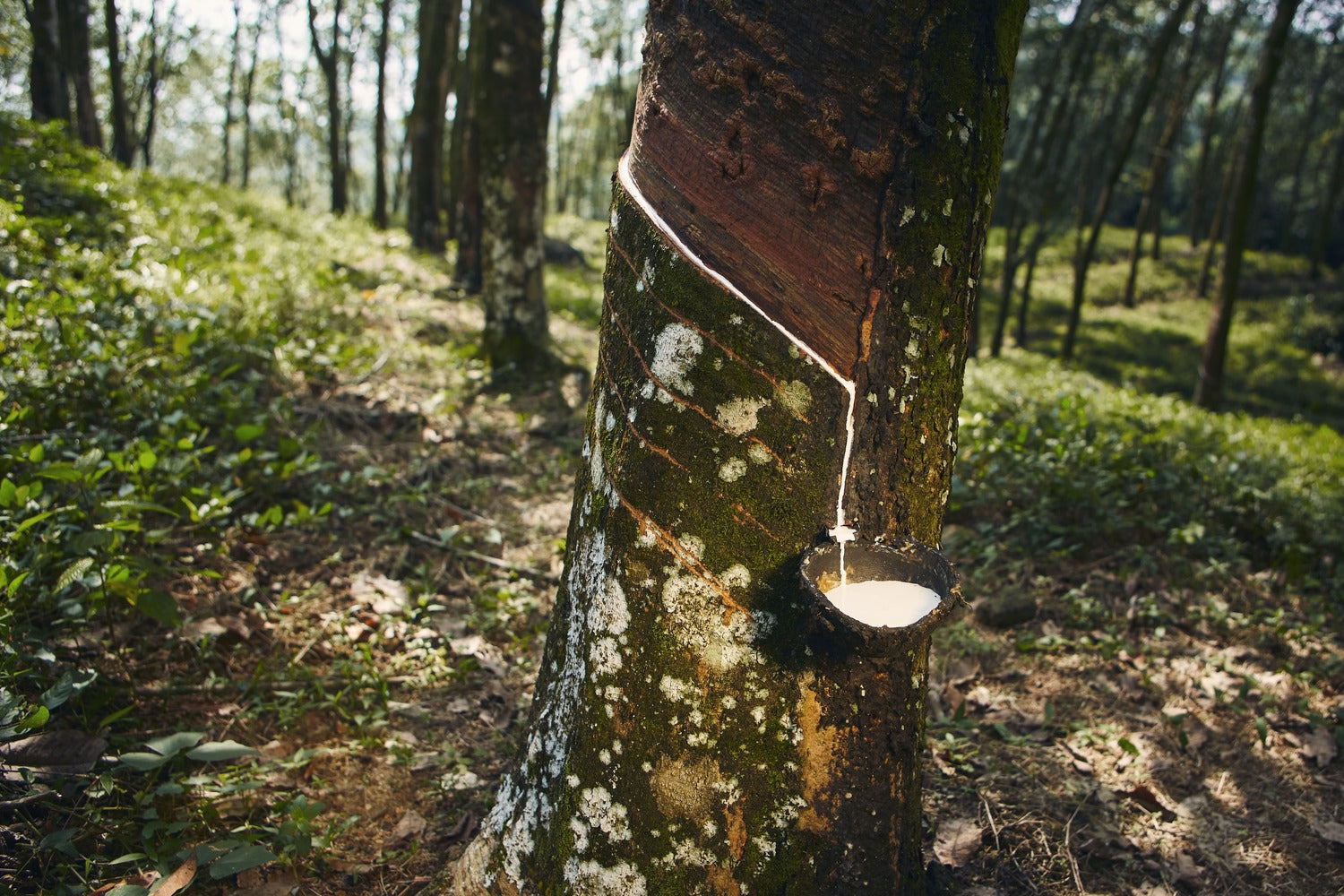
Talalay latex is a type of natural latex foam made from the sap of the rubber tree (Hevea brasiliensis). It’s valued for its buoyant feel, precise support, and open-cell structure that promotes breathability. Unlike traditional foams, Talalay latex is processed through a more refined and controlled method, giving it a smoother, more consistent texture.
This material is often used in high-end mattresses, pillows, and mattress toppers, offering a “floating” sensation that gently contours the body without trapping heat.
How Is Talalay Latex Made?
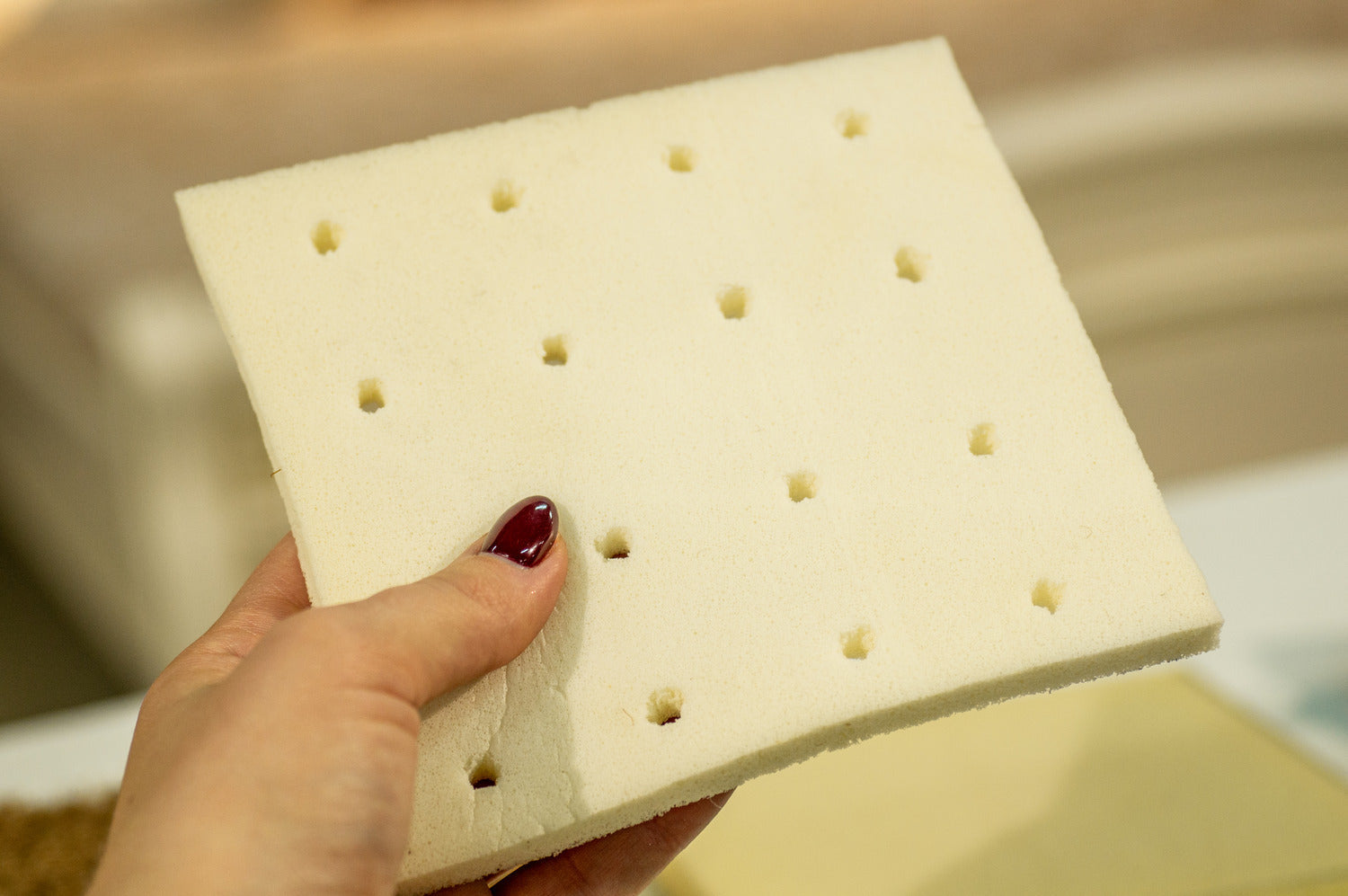
Talalay latex starts as liquid rubber tree sap that is blended with air and small amounts of additives to create a stable latex foam mixture. This foamed latex is then poured into an aluminum mold with many pins, which help control temperature and create the characteristic ventilated structure.
Once the mold is partially filled, it is sealed and a vacuum is applied so the foam expands to occupy the entire mold evenly, preventing density variations. The latex is then rapidly frozen, typically to around -20 to -30 degrees Celsius, which locks the foam’s cell structure in place and stops heavier particles settling by gravity.
After freezing, carbon dioxide is introduced to lower the pH and gel the foam, turning it from a liquid foam into a stable “solid” foam structure. The mold is then heated (around 115–120 degrees Celsius) to vulcanize the latex, cross-linking the rubber molecules so the foam becomes elastic, resilient, and durable.
When curing is complete, the latex core is removed from the mold and passed through multiple washing stages to remove residual soaps, proteins, and other compounds that could affect durability or cause sensitivities.
Finally, the cores are dried at controlled temperatures for several hours, driving off remaining moisture and completing post-vulcanization so the Talalay latex is ready to be cut, inspected, and used in mattresses, toppers, and pillows.
Why Do Mattress Makers Use Talalay Latex?
Mattress makers use Talalay latex because it delivers a blend of comfort, performance, and marketing appeal that is hard to match with other foams.
Key reasons mattress brands choose Talalay latex
-
Superior pressure relief and support: Talalay latex has a uniform, resilient cell structure that distributes body weight evenly and relieves pressure points while keeping the spine aligned, which is ideal for people with joint or back pain.
-
High comfort “luxury” feel: Its springy, buoyant character creates a plush yet supportive surface that gently cradles the body without the deep “stuck” sensation of memory foam, making it attractive as a premium comfort layer.
-
Breathability and temperature regulation: The open-cell and pin-core structure allows far more airflow than many conventional foams, helping sleepers stay cooler and drier throughout the night—especially important in warmer climates and for hot sleepers.
-
Hypoallergenic and hygienic: Natural Talalay latex is resistant to dust mites, mold, mildew, and many common allergens, and it has inherent antibacterial and antifungal properties, which brands can position as a “cleaner, healthier” sleep surface.
-
Durability and long-term value: Talalay latex resists sagging and body impressions better than many synthetic foams, maintaining its shape and support for years, which supports longer warranties and a “buy once, use longer” sustainability message.
-
Natural and eco-leaning story: When sourced from natural rubber, Talalay latex allows brands to market renewable raw materials, low VOC emissions, and third-party certifications (like Oeko-Tex Standard 100) as part of an eco-conscious product line.
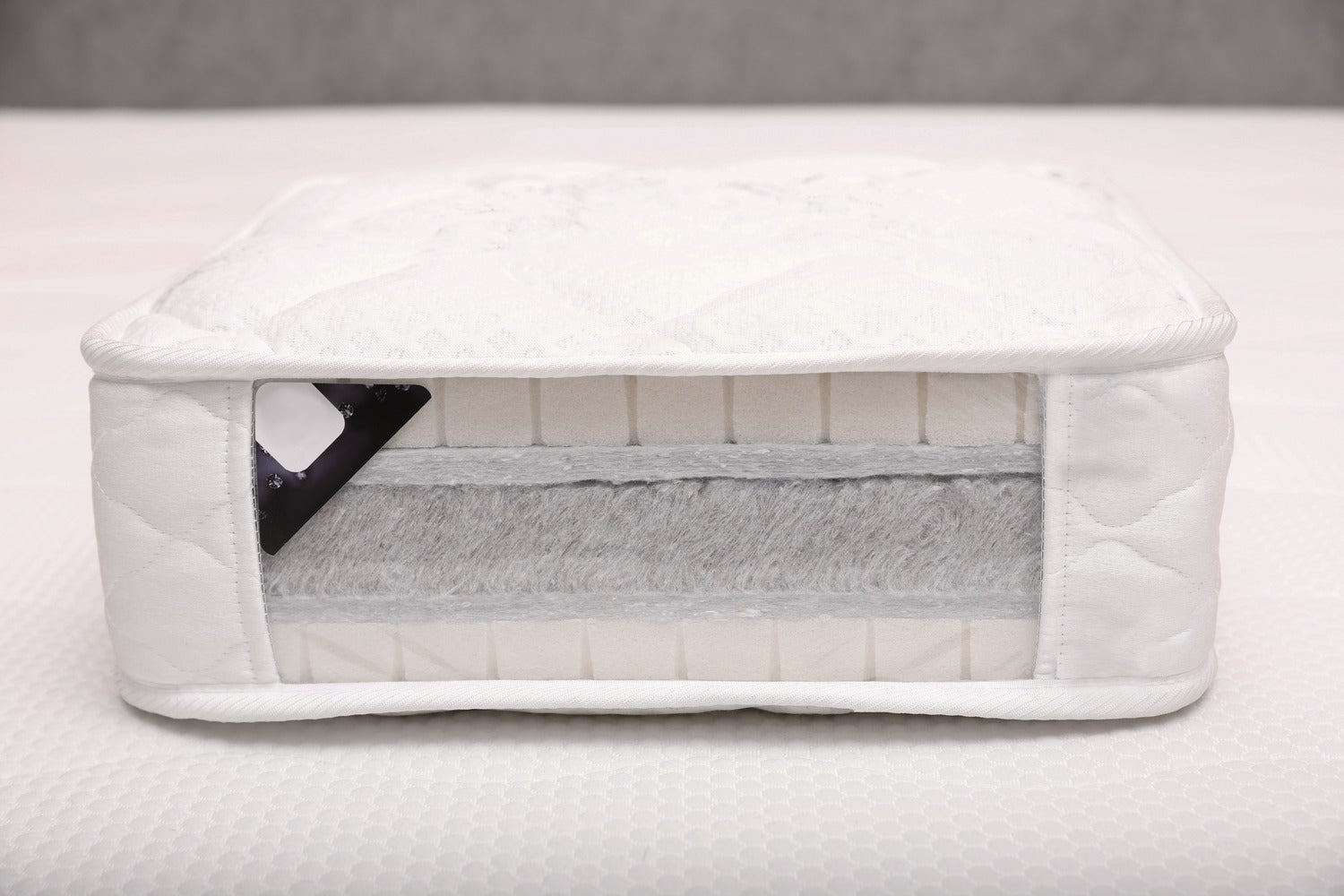
In practice, manufacturers often use Talalay latex specifically in the comfort layers of a mattress to differentiate their product with a cooler, more responsive, and more “luxury” feel than standard polyurethane or memory foam while also appealing to shoppers who care about natural and healthier materials.
Does Talalay Latex Offer Better Comfort?
Talalay latex generally does offer better comfort for many sleepers, especially if you like a “buoyant yet pressure-relieving” feel.
Talalay latex gently contours to your body and distributes weight evenly, which helps relieve pressure on joints, hips, and shoulders while keeping the spine supported. Many people describe the sensation as softly sinking in at first, followed by a responsive “floating” or lifted feeling instead of being hugged or stuck like on memory foam.
Talalay latex is often preferred by side and combination sleepers who need pressure relief but still want easy movement and quick response from the mattress surface. It can also feel more comfortable for hot sleepers, because its open-cell and pin-core structure allows more airflow and helps maintain a cooler, drier sleep environment.
That said, “better comfort” is subjective: if you prefer a very firm, grounded feel with less bounce, a denser material like Dunlop latex or a traditional firm mattress might suit you more than Talalay.
What makes Talalay feel different?
Talalay latex feels different because of its unique mix of softness, buoyancy, and responsiveness, which comes from the way it’s engineered at the microscopic level.
The key sensations people notice
-
Buoyant “floating” feel
Talalay gently contours to your shape but pushes back quickly, so you feel lifted rather than stuck, unlike slow-moving memory foam. -
Even, consistent support
Its open, round cell structure and uniform density mean the surface feels the same across the whole mattress, with fewer “hard” or “dead” spots and very smooth pressure distribution. -
Soft but not saggy
Talalay is typically softer and airier than Dunlop latex, giving a plusher first contact while still keeping your spine aligned and preventing deep hammocking. -
More breathable and cooler
The airy, open-cell structure and pin holes allow more airflow, so the surface tends to stay cooler and drier than denser latex or traditional foams.
In practice, most sleepers experience Talalay as a smooth, “bouncy-plush” surface that relieves pressure but lets you change position easily, which is why it’s often used as the comfort layer in premium mattresses.
Talalay isn’t objectively better for everyone. Dunlop latex is usually denser and firmer, which some people prefer for very robust support or a more solid feel, and it can be better suited to heavier sleepers or those wanting an extra-firm base.
Talalay tends to be ideal if you want a softer, pressure-relieving, and cooler comfort layer, particularly for side sleepers and those seeking a more luxurious, cushioned surface.
Is Talalay Latex More Breathable?
Yes, Talalay latex is generally more breathable than many other foam materials, including denser Dunlop latex and conventional memory foam.
Talalay latex is produced with a lighter, less dense foam structure, which naturally leaves more open space for air to move through the material. Its uniform open-cell structure and pin-hole core design create multiple air channels that help heat and moisture escape instead of getting trapped around your body.
In practice, Talalay tends to sleep cooler and feel less “stuffy” over the night, which is particularly noticeable for hot sleepers or in warm, humid climates. The difference is relative, though: Talalay is typically cooler than Dunlop latex and memory foam, but overall temperature also depends on the mattress cover, bedding, and room conditions.
What Are the Differences Between Talalay Latex and Dunlop Latex?
Although both Talalay and Dunlop latex are made from natural rubber sap, the way they’re processed gives them very different personalities.
-
Texture and feel: Talalay has a lighter, airier, more uniform feel that many people describe as plush and buoyant, while Dunlop is denser, more grounded, and naturally firmer.
-
Durability: Dunlop latex tends to be slightly more rugged and compression-resistant over the long term, whereas Talalay is designed to preserve a lively, bouncy comfort for years.
-
Temperature regulation: Talalay’s more open, airy structure usually allows better airflow, which can help it feel cooler and less stuffy than denser Dunlop foam.
-
Eco-friendliness: Both are made from a renewable raw material, but Dunlop typically uses a simpler, less energy-intensive process, which can make it the more eco-efficient option overall.
-
Price: Talalay is often priced higher because of its more complex, multi-stage manufacturing process and tighter quality control.
Put simply, Talalay is typically chosen for luxury comfort and enhanced breathability, while Dunlop is preferred when firmness, simplicity, and long-term robustness are the priority.
What Are the Advantages and Disadvantages of Talalay Latex?
Talalay latex offers a mix of standout benefits and a few trade-offs that are worth weighing before you choose it for your mattress.
Advantages of Talalay latex
-
Exceptional comfort and pressure relief
Talalay latex contours closely to the body, distributing weight evenly and reducing pressure on the shoulders, hips, and lower back while maintaining good spinal alignment. Its naturally springy, responsive feel creates a subtle “floating” sensation that many people find more comfortable and less restrictive than slow-moving memory foam. -
Breathable and temperature regulating
The open-cell structure and pin-core ventilation of Talalay latex allow air to move freely through the material, helping disperse heat and moisture throughout the night. This makes it a strong option for hot sleepers who want a cooler surface without resorting to gels or synthetic cooling additives. -
Durable and resilient
High-quality Talalay latex retains its shape and bounce for many years, resisting sagging and body impressions better than many conventional foams. Its quick “bounce-back” response also helps the mattress feel supportive and stable even after long-term use. -
Hypoallergenic and hygienic
Natural Talalay latex is resistant to dust mites, mold, mildew, and many common allergens, and it is often thoroughly washed to remove most residual proteins. This makes it appealing for people with allergies, asthma, or those wanting a cleaner, lower-VOC sleep environment compared to some synthetic foams.
Disadvantages of Talalay latex
-
Higher price point
The multi-stage, energy-intensive Talalay process typically makes these cores more expensive than Dunlop latex and far pricier than basic polyurethane foam. As a result, mattresses that use thick Talalay comfort layers often sit in the mid-to-premium price brackets. -
Softer, “plusher” feel may not suit everyone
Because Talalay is lighter and airier, it tends to feel plusher and more buoyant, which can be too soft for sleepers who prefer a very firm, rigid surface. Those seeking maximum firmness or a very grounded feel often do better with denser Dunlop latex or firmer coil systems. -
Heavier and less flexible to move
Like other latex foams, Talalay is dense compared to many synthetic foams, so full-latex mattresses can be quite heavy and awkward to move or rotate. This is worth considering if you anticipate setting up or relocating the mattress frequently. -
Potential latex sensitivities
While the material is washed and many users never experience issues, people with true latex allergies should exercise caution and confirm product details and coverings before choosing any latex mattress.
In practice, Talalay latex is an excellent choice if you prioritize luxurious comfort, pressure relief, and cooler sleep and are comfortable paying a premium, but it is less ideal if you want a very firm, budget-oriented, or ultra-lightweight mattress.
Should You Choose a Talalay Latex Mattress?
A Talalay latex mattress is a strong choice if you prioritise pressure relief, breathability, and a plush, buoyant feel, and you are comfortable paying a mid-to-premium price for better long-term comfort.
When a Talalay latex mattress is a good fit
-
You want deep pressure relief without “stuck in the bed” sinkage
Talalay contours closely and distributes weight evenly, which helps reduce tension in the shoulders, hips, and lower back while still feeling responsive. -
You tend to sleep hot or live in a warm climate
Its naturally open, airy structure allows strong airflow and helps dissipate body heat, keeping the sleep surface cooler and drier through the night. -
You have allergies or care about a low-toxin sleep environment
Natural Talalay latex is resistant to dust mites, mold, and mildew and is often certified for low emissions, making it appealing for allergy-sensitive sleepers and those avoiding harsh chemicals. -
You’re looking for durability and long-term value
High-quality Talalay cores are very resilient and resist sagging, so a well-built Talalay mattress can remain comfortable and supportive for many years.
When you might prefer another option
-
You want a very firm, “solid” sleep surface
Dunlop latex or a firmer coil/foam design may suit you better if you dislike bounce or prefer a more rigid, less cushioned feel. -
You’re on a tight budget
Because the Talalay process is more complex and time-consuming, mattresses built with thick Talalay layers usually cost more than those using Dunlop latex or basic foam. -
You are highly weight-sensitive or move mattresses often
Like other latex beds, Talalay mattresses can be relatively heavy, so they’re not ideal if you expect to move them frequently or need something ultra-light.
If you’re a side or combination sleeper, tend to overheat, and want a plush but supportive feel with strong pressure relief, a Talalay latex mattress is usually an excellent match; if you prefer very firm, budget-first, or ultra-minimalist beds, you may be better served by Dunlop latex or another firmer construction.